Thinking about buying a small multifamily in Belleville but not sure where to start? You’re not alone. Investors are drawn to Belleville’s commuter access, steady renter pool, and a deep stock of older 2–4 unit buildings. In this guide, you’ll get a neighborhood-by-neighborhood view, a quick rundown of local rules, and practical steps to underwrite deals with confidence. Let’s dive in.
Why Belleville works for investors
Location and renter demand
Belleville sits just north of Newark and within commuting reach of New York City. Many tenants work in Newark’s hospitals, port-related jobs, universities, or in Manhattan. This proximity helps keep demand steady across market cycles.
Common asset types and who rents them
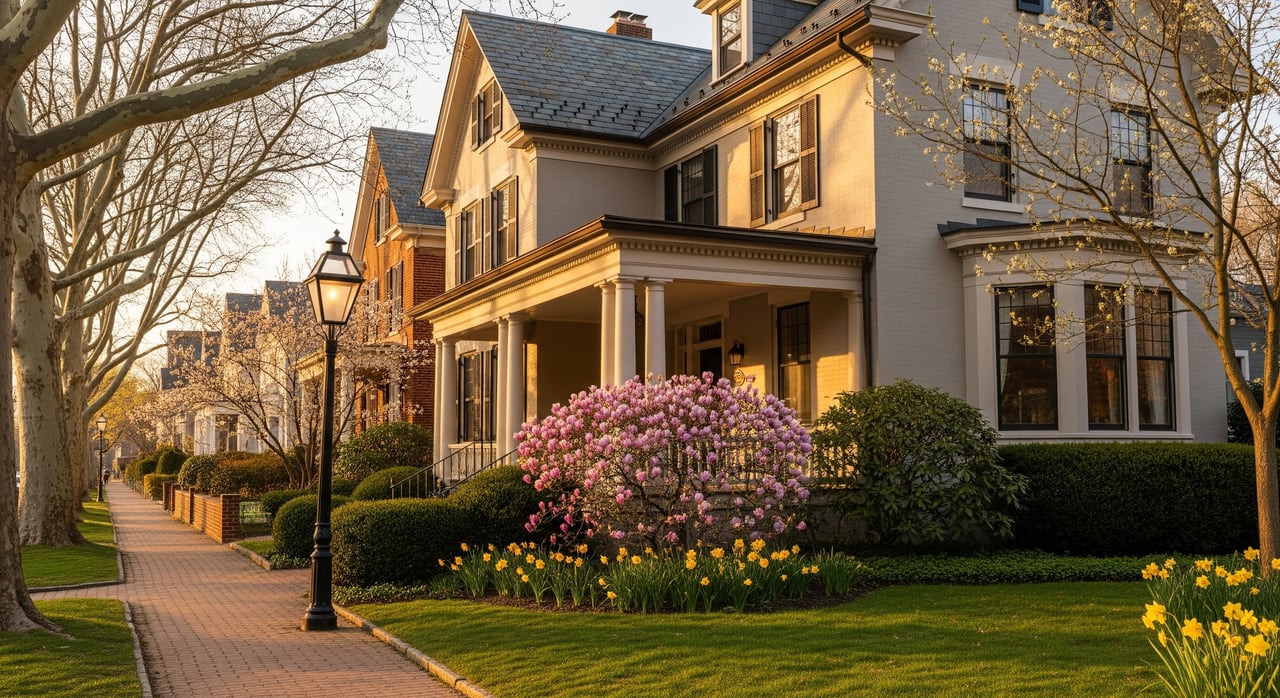
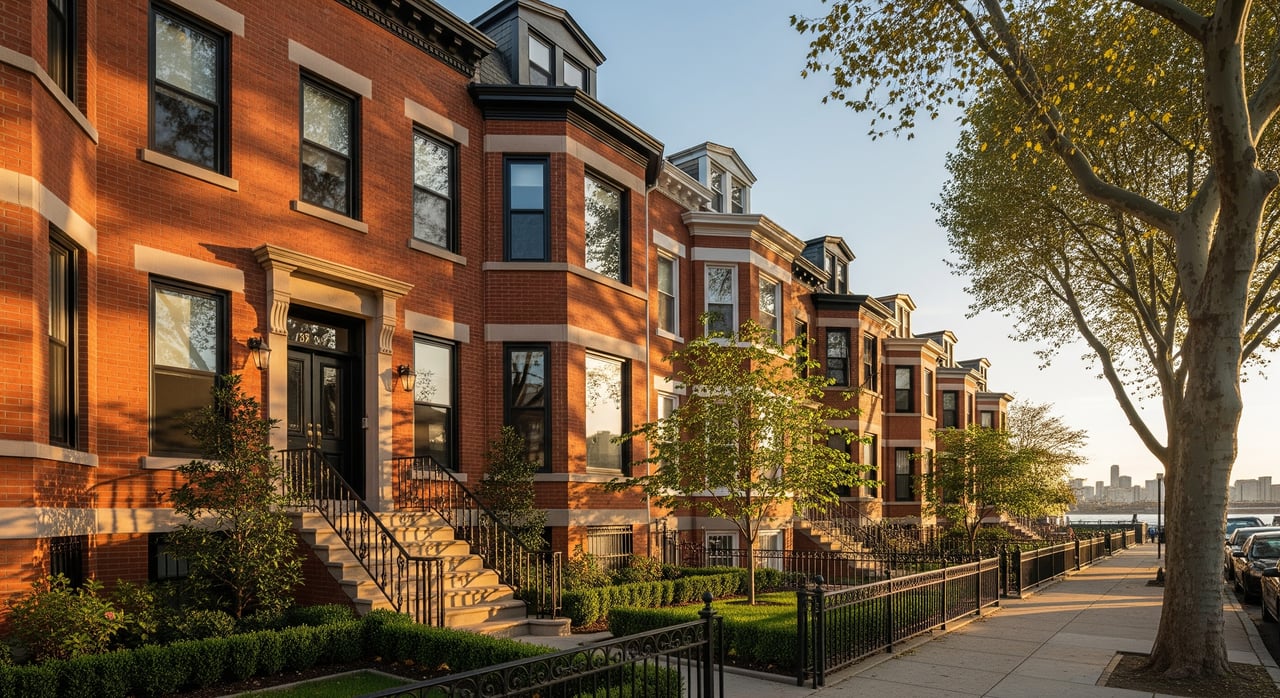
You’ll mostly find prewar, low-rise housing stock. Typical purchases include 2–3 family homes and small walk-up buildings. Tenants are often working professionals, service and healthcare workers, and small households that value access to jobs and transit.
Rental trends snapshot
Rents in Belleville tend to track the broader New York metro trends. Demand is consistent, and vacancy can shift by block. When you evaluate a property, prioritize hyperlocal rent comps within one to two blocks and validate vacancy assumptions with local managers.
Neighborhood overview
Downtown and Belleville Avenue corridor
This central area has a commercial spine with restaurants and shops. You’ll see mixed-use and small multifamily properties close to retail. Investor upside comes from strong day-to-day convenience and steady foot traffic. Expect tighter parking and more complexity if you have a commercial tenant on the ground floor.
North Belleville near Branch Brook Park
These residential blocks appeal to renters who value green space and calmer streets. Housing skews to 2–3 family homes and some single-family conversions. Well-renovated units can command stronger rents. Plan for older systems, including plumbing and electrical, when you underwrite capital needs.
East side by the Passaic River and Newark border
Closer to Newark’s West Ward, this area includes transitional blocks with some industrial adjacency. Pricing can be more attractive with higher yield potential. Management is often more hands-on. Review crime data at the block level and consider long-term upside from nearby redevelopment.
South and west edges near Bloomfield and Nutley
These edges feel more suburban in parts, with nearby owner-occupied homes. You’ll find duplexes and small apartment buildings that attract commuters and small families. The tenant base is broad. In some segments, owner-occupier demand can limit the pure rental pool, so confirm local absorption and lease-up times.
Nearby submarkets to watch
Newark, especially West Ward and University Heights, influences pricing and demand for larger deals. Redevelopment in Newark can push demand into Belleville over time. Bloomfield and Nutley offer comparable asset types with different tax and zoning environments, which can affect returns.
Zoning, permits, and inspections
Zoning and permitted uses
Belleville’s zoning allows residential and mixed-use by district. Before offering, request the municipal zoning map and confirm permitted use, density, parking, setbacks, and any historic or redevelopment overlays. This prevents surprises if you plan to alter unit counts or uses.
Rental registration and certificates
Many New Jersey towns require rental registration or occupancy certificates along with periodic inspections. Confirm Belleville’s current process, fees, and timelines before you close. Renovations will need proper building, electrical, and plumbing permits.
Code, lead paint, and habitability
Expect pre-1978 construction. Plan for lead-based paint compliance and safe work practices during rehab. Units must meet habitability standards, including functioning heat, plumbing, egress, and life-safety systems.
Rent control and tenant protections
New Jersey sets landlord-tenant protections at the state level while rent control is municipal. Verify Belleville’s current policy. Historically, Belleville has not had broad rent control, but rules can change and neighboring towns may differ.
Taxes and assessments
New Jersey has a high property-tax burden. Obtain the latest tax bill and assessment record. Ask about any recent appeals. Include potential tax increases in your underwriting and check for municipal liens or special assessments.
Short-term rentals
Short-term rentals are often regulated locally. If you are considering this strategy, confirm licensing and restrictions with the township before you model income.
Underwriting and financing
Financing 1–4 units
Most 1–4 unit properties can use residential loans, including conventional products and, for owner-occupants, FHA. Local banks and credit unions can be flexible for smaller deals, especially if you build a relationship.
Financing 5+ units
For 5 or more units, expect commercial lending with debt-service coverage requirements. Banks, life companies, CMBS, HUD programs, and bridge lenders are common sources. Underwrite to the lender’s DSCR and stabilize your rent roll assumptions.
Assumptions to validate locally
- Rents: Pull 3–5 direct comps within one to two blocks and compare finishes, bed/bath count, and parking.
- Vacancy: Use conservative assumptions tied to local history and property type.
- Expenses: Budget for property taxes, insurance, owner-paid utilities common in older stock, and maintenance and turnover.
- Capital needs: Plan for roofs, boilers, windows, electrical panels, and potential lead remediation.
Cap rates, GRM, and valuation
Inner-ring locations near transit and amenities often trade at lower cap rates. For 2–4 unit assets, investors sometimes compare gross rent multipliers, but you should rely on NOI-backed cap rates for a clearer picture. Use recent closed sales in Belleville and adjacent towns to set your range.
Rehab scope and timelines
Older buildings can require upgrades that extend timelines. Code-triggered work on electrical, fire safety, and egress can add cost. Larger scopes may need review by the building department or planning or zoning boards. Build contingencies into your budget and schedule.
Property management and tenant profile
Expect hands-on management in smaller, older buildings. Strong screening, responsive maintenance, and clear communication help reduce churn. Local property managers can provide realistic rent comps, typical expenses, and vacancy expectations.
Insurance and flood risk
Confirm flood-zone status. If any part of the parcel lies in a Special Flood Hazard Area, lenders will require flood insurance. Insurance costs can vary with building age, occupancy, and location. Shop multiple carriers when you quote.
Risks, opportunities, and catalysts
Key opportunities
- Proximity to Newark and NYC sustains a consistent renter base.
- Many small multifamily properties are ripe for value-add renovations.
- In some pockets, acquisitions may be more affordable than inner-city alternatives with similar rent profiles.
- Redevelopment in Newark and regional infrastructure projects can boost long-term demand.
Key risks
- Older building systems can create unexpected costs, including lead paint and code compliance.
- High property taxes and local fees can compress cash flow.
- Block-to-block variability makes micro-level due diligence essential.
- Regulatory shifts in tenant protections can affect timelines and rent strategies.
- Flood risk or environmental issues near waterways or former industrial sites require careful review.
Catalysts to monitor
- Newark hospital, university, and port-related growth that could push demand east and north.
- Transit or infrastructure upgrades that shorten commute times.
- Belleville planning initiatives, including any redevelopment zones or rezonings.
Deal checklist you can use today
- Confirm zoning, permitted use, parking, and any overlays.
- Pull 3–5 hyperlocal rent comps and inspect those units when possible.
- Obtain current tax bill, assessment history, and lien search.
- Review utility bills and insurance loss runs if available.
- Inspect for lead-based paint, asbestos, roof and boiler age, and electrical capacity.
- Verify rental registration, certificates, and prior inspection reports.
- Check for open code violations or municipal charges.
- Review crime data at the block level and understand local tenant demand drivers.
- Pull FEMA flood maps and consider a Phase I environmental review for industrial or river-adjacent parcels.
Sample strategies to consider
Value-add near Belleville Avenue
Target a 2–3 family close to the commercial corridor. Focus on durable interior updates, in-unit laundry where feasible, and curb appeal. Keep a close eye on parking and trash setup for mixed-use blocks.
Steady hold near Branch Brook Park
Buy a well-located small multifamily near green space. Emphasize long-term maintenance planning for older systems. Position units for renters who value parks and commuter access.
Yield play on the east side
Look at transitional pockets near the Newark border where pricing may be softer. Budget more for proactive management and unit turns. Underwrite conservatively and monitor local redevelopment activity.
Ready to invest with local guidance?
If you want street-by-street insight, rent comps that match your property, and a clear plan from offer to lease-up, our team can help. We work with investors across Essex County on small multifamily acquisitions, renovations, and rentals, and we offer bilingual service in Spanish and Portuguese. Start with a focused consult and a tailored comp package from Michael Tejada.
FAQs
What property types dominate Belleville multifamily?
- You’ll mostly see prewar 2–4 unit walk-ups, small apartment buildings, and some mixed-use along commercial corridors.
How does rent control work in Belleville, NJ?
- Rent control is set locally in New Jersey, so verify current rules with the township; historically, Belleville has not had broad rent control.
What financing options are typical for 2–4 units versus 5+ units?
- 1–4 units often use residential loans, including conventional and FHA for owner-occupants, while 5+ units usually require commercial lending with DSCR requirements.
What operating expenses should I plan for on older buildings?
- Expect higher property taxes, insurance, owner-paid utilities in some cases, and consistent maintenance for roofs, boilers, plumbing, and electrical systems.
How do I check flood risk and insurance needs for Belleville properties?
- Verify the property’s status on official flood maps; if any portion is in a Special Flood Hazard Area, lenders will require flood insurance, so budget accordingly.
How can Newark’s growth affect Belleville rents and values?
- University, hospital, and port-related activity in Newark can increase demand for nearby rentals and may support long-term rent growth and pricing in Belleville.