If you need a Northern New Jersey commute without giving up a suburban feel, Springfield deserves a closer look. Many buyers want practical access to New York City or Newark, but they also want more house, easier parking, and a daily routine that feels manageable. Springfield can fit that balance, especially if you are open to buses, park-and-ride options, or a short drive to nearby rail. Let’s dive in.
Why Springfield works for commuters
Springfield sits in northern Union County and borders towns including Union, Cranford, Westfield, Mountainside, Summit, and Essex County communities. Interstate 78 runs through the northern part of town, and Route 22 runs through the southern part, which gives commuters multiple road-based options for getting around.
That matters because Springfield is not a train-first suburb. It does not have its own train station, so the town works best for people who are comfortable with bus service, driving to transit, or combining both depending on the day.
The local numbers also help explain the appeal. Springfield has 17,630 residents, 6,883 households, a mean travel time to work of 28.0 minutes, an owner-occupied housing rate of 66.8%, a median household income of $155,906, and a median owner-occupied home value of $636,600. In plain terms, it is an established suburban market where commute logistics can play a major role in your home search.
Springfield's commuter setup
If you are comparing Springfield to rail-heavy towns, the biggest difference is simple: your commute here is often shaped by corridors instead of a single downtown station. In day-to-day life, that means where you live within town can make a noticeable difference.
The most useful way to think about Springfield is by three commuter-oriented areas:
- Springfield Center / Route 82
- Morris Avenue / Mountain Avenue
- South Springfield Avenue / Route 22
These are not official neighborhood designations. They are practical areas based on where NJ TRANSIT stops, parking, and commuter access are clustered.
Springfield Center and Route 82
Springfield Center is one of the easiest places to understand if you want a park-and-ride style routine. NJ TRANSIT lists parking at Hannah Street and Center Street off Route 82, with 93 standard spaces and both daily and permit parking.
This area also gives you access to several bus routes within a short walk. Current service near Springfield Center includes routes 70, 114, 52, and 66, making it one of the most flexible spots in town for commuters who want options.
If your goal is to keep your weekday simple, this area is worth a close look. You may be able to drive or walk to transit rather than rely on a longer local connection first.
Morris Avenue and Mountain Avenue
The Morris Avenue and Mountain Avenue area is another strong commuter pocket. For buyers who ask, “Where in Springfield am I actually closest to transit?” this is one of the clearest answers.
NJ TRANSIT shows routes 70, 114, 52, and 66 serving stops near Morris Avenue and Mountain Avenue. Those routes connect to destinations including Newark Penn Station, Livingston Mall, New York, and Elizabeth and Kean University areas.
For many buyers, this part of Springfield checks an important box: proximity. If being near active bus service is one of your top priorities, this corridor may deserve extra attention during your home search.
South Springfield Avenue and Route 22
If your focus is Manhattan access, the South Springfield Avenue and Route 22 side of town is especially important. This corridor is tied into the New York-bound bus network through NJ TRANSIT route 117.
Current stop information includes Springfield-area stops such as US-22 east of South Springfield Avenue and US-22 at Springfield Road. Port Authority Bus Terminal appears on the New York-bound route list, which makes this one of the key transit stories for Springfield commuters headed into Manhattan.
This is a good example of why Springfield can still work well even without its own train station. The town’s value for commuters comes from strategic bus access and road connections rather than a traditional rail village layout.
Best bus options for commuters
If you are choosing Springfield based on your commute, a few routes matter more than others. The right area for you often depends on whether you commute to Midtown, Newark, or other parts of North Jersey.
Route 114 to New York
Route 114 is one of the most direct Manhattan options to know. The current timetable shows Springfield service at Mountain Avenue and Morris Avenue, and express trips operate via the Garden State Parkway and Route 78.
For buyers headed to Midtown, this is one of the clearest direct-bus options in town. If New York access is your main goal, homes near this corridor may be especially appealing.
Route 117 to New York
Route 117 is another major New York option. NJ TRANSIT stop listings show Springfield-area stops on US-22 and Mountain Avenue, and the route serves Port Authority Bus Terminal on New York-bound trips.
This route helps explain Springfield’s commuter appeal for buyers who want suburban housing but still need a path into Manhattan. If you are comfortable with a bus-based routine, Springfield becomes much easier to picture.
Route 70 for Newark and North Jersey
Not every commuter is heading into Manhattan. Route 70 is especially useful if your destination is Newark Penn Station, Irvington Terminal, Livingston Mall, or nearby North Jersey job centers.
Service near Springfield Center includes route 70 at Morris Avenue and Mountain Avenue. That makes Springfield a practical option for buyers whose work patterns are more regional than strictly NYC-focused.
Routes 26, 52, and 66
Springfield also benefits from local and regional connector routes. Route 26 operates between Irvington, Springfield, Union, and Elizabeth, which can help with reverse commutes, local job access, and connections beyond town.
Routes 52 and 66 add more flexibility near Springfield Center. Current service listings show route 52 toward Elizabeth and Kean University, and route 66 toward Newark Penn Station and Mountainside and Union-area corridors.
Rail fallback options near Springfield
Some buyers like the idea of a bus commute but still want a train backup. That is a smart question to ask in Springfield because nearby rail stations can expand your options.
Summit Station and Union Station are the two most relevant nearby rail choices mentioned in current local transit sources. Summit Station offers parking and service on the Morris & Essex Line, while Union Station offers parking on Green Lane and service on the Raritan Valley Line.
If you want more commute flexibility, this matters. A home in Springfield can still work for you if your plan includes occasional or regular drives to a nearby station rather than relying only on in-town bus service.
What housing feels like in Springfield
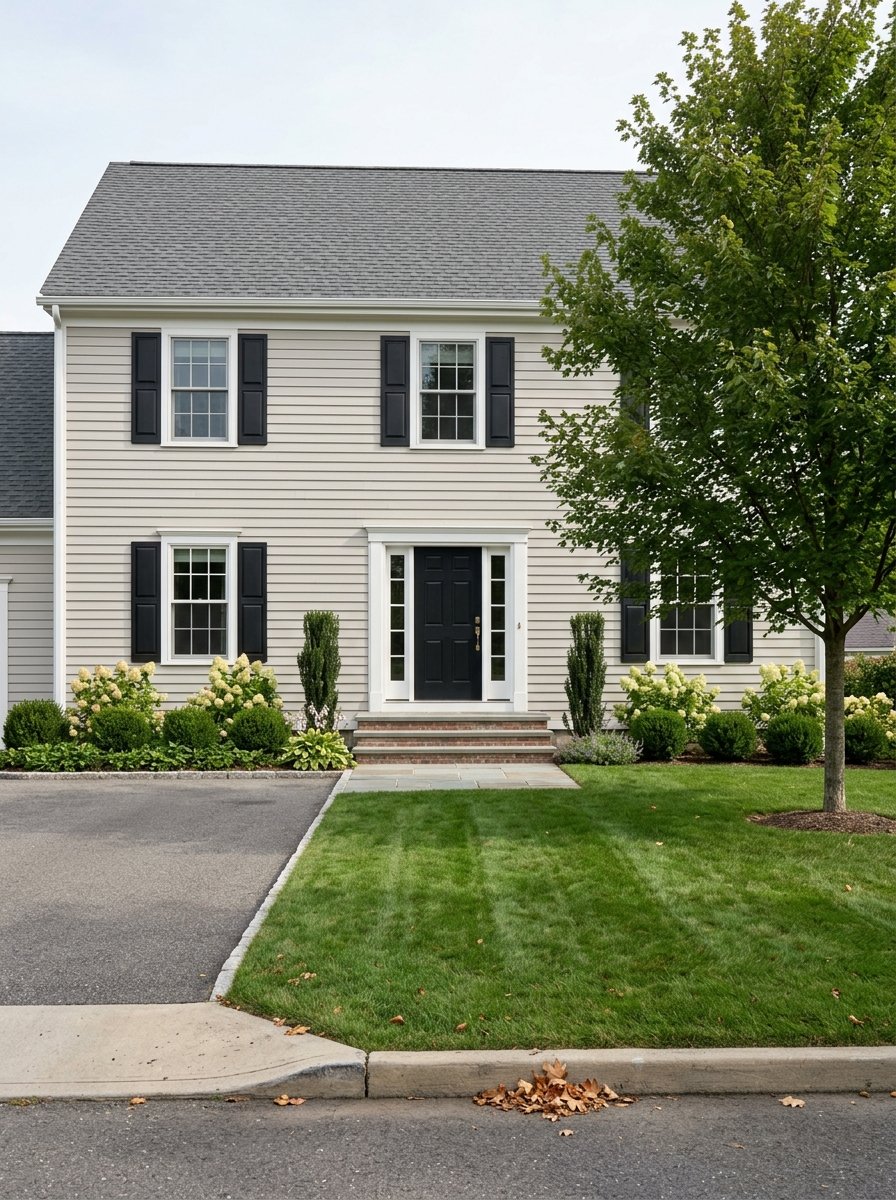
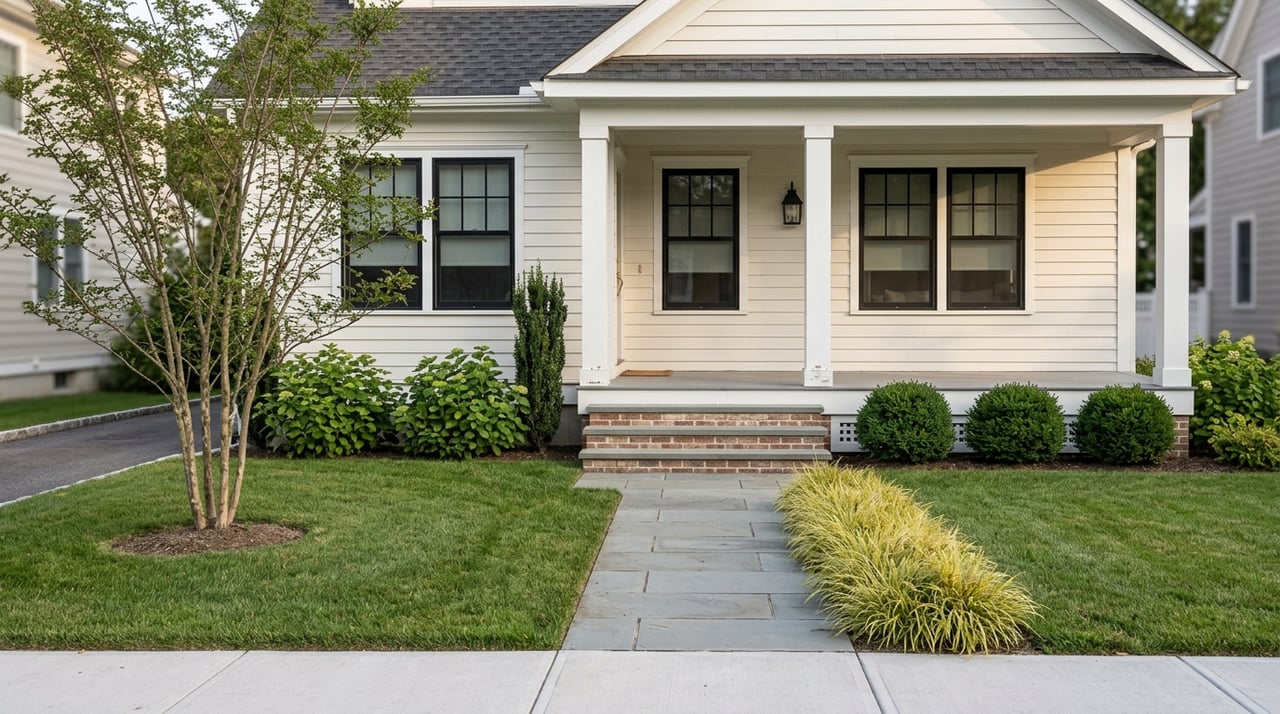
Springfield’s housing stock adds to its commuter appeal. A Union County profile found that about 53% of the housing stock was single-unit detached, 7.8% was single-unit attached, 3.7% was in two-unit structures, and 35.2% was in structures with three or more units.
That same profile noted that more than half of the housing stock was built before 1960. For buyers, that often translates into an established suburban setting with a mix of home styles and a more house-oriented feel than apartment-heavy commuter hubs.
If you want access without living in a rail-centered downtown, Springfield may feel like a better fit. It tends to appeal to buyers who value space, a suburban layout, and flexible commuting options over having a station right outside the door.
How to choose the right part of Springfield
The best place for you depends less on an official neighborhood name and more on your weekday routine. Before you buy, it helps to narrow your search around the logistics you will actually use.
Ask yourself:
- Do you want to be closest to the 114 or 117 bus into New York?
- Would you rather be near Springfield Center for parking and multiple route choices?
- Do you want to stay close to Morris Avenue and Mountain Avenue for walkable bus access?
- Are you comfortable using Summit or Union as a rail fallback?
- Is your commute Manhattan-focused, Newark-focused, or spread across North Jersey?
These questions can shape your search more than zip code-level market stats alone. In Springfield, convenience often comes down to which corridor fits your schedule best.
Why Springfield stands out
Springfield stands out for buyers who want suburban ownership opportunities and workable commuter access without paying for a rail-town setup they may not need. The town’s road network, bus routes, and nearby rail fallback options give you several ways to build a commute that fits your lifestyle.
That flexibility is the real story. If you are open to buses, short drives, and a practical rather than rail-first routine, Springfield can offer a smart middle ground in Union County.
When you are weighing commute patterns, parking needs, and home location at the same time, having local guidance makes a big difference. If you are exploring Springfield or other Northern New Jersey commuter markets, Michael Tejada can help you compare options and find the right fit for your daily routine.
FAQs
Is Springfield, NJ good for New York City commuters?
- Yes. Springfield can work well for New York City commuters, especially if you are comfortable using NJ TRANSIT bus routes like the 114 and 117 rather than relying on a local train station.
Does Springfield, NJ have its own train station?
- No. Springfield does not have its own train station, so many commuters use bus service or drive to nearby stations such as Summit or Union.
Which part of Springfield is best for bus access?
- The most practical commuter areas are Springfield Center, the Morris Avenue and Mountain Avenue corridor, and the South Springfield Avenue and Route 22 corridor.
What is the best Springfield, NJ bus route for Manhattan commuters?
- Route 114 is one of the most direct Manhattan options, and route 117 is another important New York-bound route serving Springfield-area stops.
Can Springfield work for Newark commuters too?
- Yes. Route 70 is especially useful for commuters heading toward Newark Penn Station and other North Jersey destinations.
What kind of housing can buyers expect in Springfield, NJ?
- Springfield offers a mostly suburban housing mix, with a large share of single-unit detached homes and an established housing stock that includes many homes built before 1960.