Thinking about buying a historic home in Glen Ridge? You are not just shopping for square footage or curb appeal. You are considering a property that may come with deep architectural character, a protected setting, and a different level of upkeep than a newer house. If you want the charm without surprises, it helps to know what makes Glen Ridge distinct, what to inspect closely, and how local review rules can affect your plans. Let’s dive in.
Why Glen Ridge Historic Homes Stand Out
Glen Ridge has real historic substance behind its reputation. The borough says it was chartered in 1895 and was one of the first communities to use a professional town planner. It also adopted an early building code and zoning ordinance, which helped shape the orderly streetscape buyers still notice today.
That planning legacy matters because the historic district covers more than 90% of the borough and stretches across nearly its full length, according to the local Historic Preservation Commission. The district was added to the National Register of Historic Places in 1982, with a boundary increase in 1988. In practical terms, much of Glen Ridge feels visually cohesive, even though the homes themselves are not all the same style.
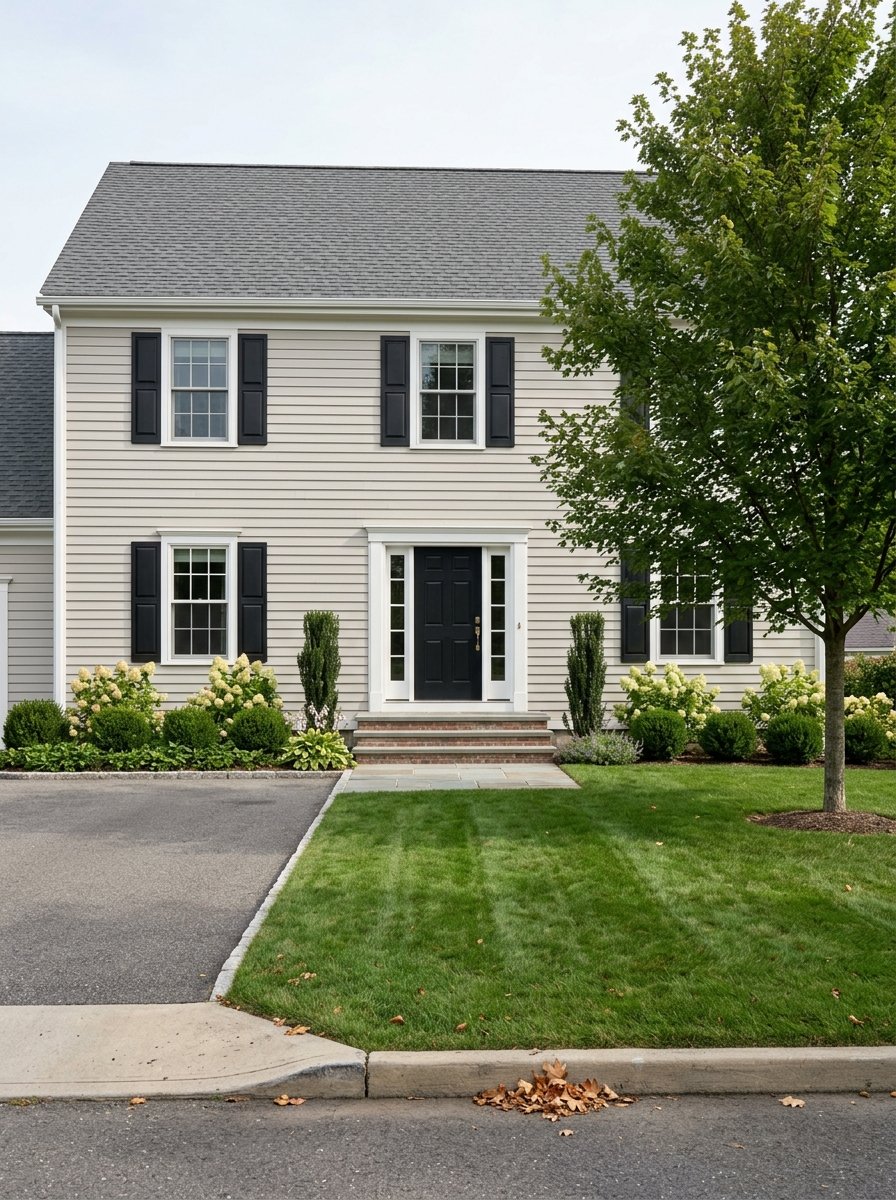
Instead of a one-note look, you will find a broad mix of architecture. Local sources identify Italianate, Second Empire, Queen Anne, Shingle, Colonial Revival, Dutch Colonial Revival, Tudor Revival, Craftsman, Foursquare, and Renaissance Revival influences, along with vernacular homes. That variety is part of the appeal if you want a house with personality.
What You May See In Glen Ridge Homes
One of the first things you may notice is the roofline. Glen Ridge design guidance points to hipped, gambrel, mansard, steeply pitched, and other complex roof forms as important visual clues. Original materials like slate, wood, clay tile, and metal often contribute to a home’s historic character.
Exterior materials also play a big role. In the borough’s guidance, wood, stone, plaster, brick, stucco, and other masonry materials are all part of the district’s defining look. Wood is especially common in siding, trim, porch details, brackets, eaves, doors, and windows.
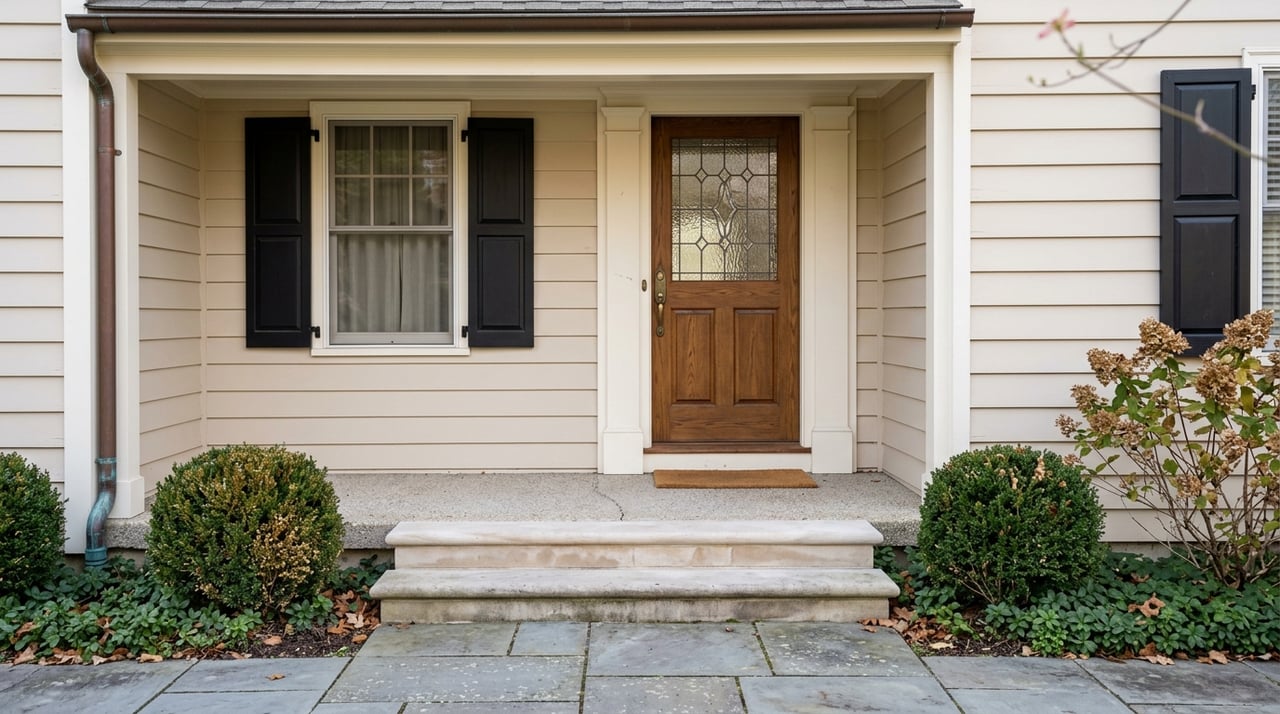
You will also see details that give older homes their charm, such as porches, dormers, chimneys, front entries, and window sash. These are not just decorative extras. In a historic home, they are often considered character-defining features that owners are encouraged to retain and repair.
Another thing to keep in mind is that many Glen Ridge homes evolved over time. Local guidance notes that some houses combine styles, include additions from later eras, or reflect updates layered onto an older structure. So if a home feels like it tells more than one architectural story, that is often part of its history rather than a red flag by itself.
Why Historic Charm Requires Careful Due Diligence
A historic home can offer craftsmanship and detail that are hard to find in newer construction. At the same time, older materials and systems usually require a more thoughtful inspection process. The goal is not to be scared off. It is to understand what you are buying and budget realistically.
For most buyers, a general home inspection is only the starting point. In Glen Ridge, it often makes sense to add specialist review for key exterior components that affect both condition and preservation. That can help you separate manageable maintenance from more expensive work.
Roofs Matter More Than You Think
A weather-tight roof is essential in any home, but it is especially important in a historic one. Guidance cited in the research report notes that roof failures can speed up deterioration in masonry, wood, plaster, and paint. In other words, one weak point at the top of the house can lead to several problems elsewhere.
If a home has slate or another original roofing material, local guidance favors repair and retention whenever possible. That does not mean every old roof must stay exactly as-is forever. It does mean you should understand the material, its age, its condition, and the likely cost of proper maintenance before you close.
Masonry Needs The Right Repair Approach
Brick, stone, chimneys, and foundation elements deserve close attention. Glen Ridge guidance stresses watching for moisture infiltration, deteriorated mortar, structural cracks, and poor drainage. These issues can affect both appearance and long-term stability.
The repair method matters too. Preservation guidance says repointing should match the original mortar in strength, composition, color, and texture. Using mortar that is too hard or cleaning masonry too aggressively can damage historic brick or stone.
Windows Often Deserve A Second Look
Older windows can make buyers nervous, especially when they are comparing them to newer replacements. But Glen Ridge’s guidelines say historic old-growth wood windows should be repaired when possible. The same guidance notes that storm windows can help improve performance.
That is important because replacement is not always the best first answer. If the windows are original, you will want to learn whether they can be restored, weatherproofed, or repaired before assuming a full swap is necessary.
Porches And Chimneys Are Common Wear Points
Porches and chimneys take a lot of weather exposure over time. The borough treats porches as significant features, and chimney repairs are expected to use matching materials and mortar profiles rather than incompatible coverings or casual rebuilds. If either feature shows deferred maintenance, get clear estimates early.
Even when issues seem cosmetic, they can signal water entry or structural wear underneath. A closer review before purchase can help you avoid underestimating the true scope of work.
Lead Paint And Renovation Planning
Because much of Glen Ridge’s housing stock predates 1978, buyers should be prepared for the possibility of lead-based paint. The EPA says homes built before 1978 are more likely to contain lead-based paint, and the share is especially high in older housing. Until a certified inspection or risk assessment shows otherwise, it is reasonable to plan with that possibility in mind.
If you expect to renovate after closing, this becomes more important. The EPA recommends using lead-safe certified firms when hiring contractors for pre-1978 homes. Federal law also requires disclosure of known lead-based paint information before most sales or leases of pre-1978 housing are signed.
This does not mean every older home is unsafe or unmanageable. It means you should ask informed questions, understand the home’s age, and factor proper testing and safe work practices into your renovation budget.
Glen Ridge Review Rules Buyers Should Know
In Glen Ridge, exterior work in the historic district generally requires a Certificate of Appropriateness before work begins. The borough’s Historic Preservation Commission also says its process includes an expedited minor review track. According to the September 2025 update in the research report, all doors, windows, and previously unpainted masonry are now reviewed by the HPC.
That can affect your timeline if you plan to make visible exterior changes soon after closing. The borough’s common-project summary says roofing material changes, siding changes, window alterations, major additions, demolition, porches, railings, steps, exterior lighting, sidewalks, and paving may all require review. By contrast, an in-kind asphalt-to-asphalt roof replacement does not require HPC review.
Separate building permits may also be required for many projects, including additions, structural repairs, roofing, siding, HVAC work, electrical upgrades, water heaters, boilers, and interior kitchen, bathroom, and basement renovations. In practice, that means some projects may involve both building department permits and historic review.
Repair Usually Comes Before Replacement
Glen Ridge’s approach favors repair over replacement and compatibility over imitation. Local guidance discourages vinyl and aluminum siding, allows smooth fiber cement only when it closely replicates historic wood, and says replacement materials should match historic originals in composition, design, color, and texture whenever possible.
For buyers, this matters because renovation costs may not look the same as they would in a non-historic setting. A lower-cost shortcut that works elsewhere may not be the best fit here. If you love the house but plan major exterior updates, it is smart to review those plans carefully before you buy.
A Smart Buyer Checklist For Glen Ridge
If you are serious about a historic home in Glen Ridge, these steps can help you move forward with confidence:
- Confirm whether the property is within the historic district
- Ask what exterior work has been done and whether approvals were obtained
- Schedule a full home inspection
- Consider specialist review for the roof, masonry, windows, chimneys, and drainage
- Ask about the age and condition of roofing materials
- Review any signs of moisture, cracking, or mortar deterioration
- Plan for possible lead-based paint testing if the home predates 1978
- Budget for preservation-minded repairs rather than quick cosmetic fixes
- Check whether your planned upgrades may require HPC approval, building permits, or both
The Bottom Line On Buying Historic In Glen Ridge
Buying a historic home in Glen Ridge can be deeply rewarding if you value craftsmanship, architectural variety, and a borough-wide sense of character. The appeal here is not just visual. It is tied to a formally protected historic district, late 19th- and early 20th-century housing stock, and a local preservation process that helps maintain that identity.
The key is to go in with open eyes. If you pair your search with strong inspections, realistic budgeting, and an understanding of local review requirements, you can enjoy the charm of a Glen Ridge historic home without being caught off guard. When you want a trusted local advocate to help you evaluate the right fit in Essex County, connect with Michael Tejada.
FAQs
What makes a home historic in Glen Ridge?
- Glen Ridge’s historic district covers more than 90% of the borough, and many homes contribute to a late Victorian and Edwardian streetscape with a wide range of architectural styles.
Do Glen Ridge historic homes need special approval for renovations?
- Yes, exterior work in the historic district generally requires a Certificate of Appropriateness before work begins, and many projects may also need separate building permits.
What should buyers inspect first in a Glen Ridge historic home?
- Buyers should start with a full home inspection and often add specialist review for the roof, masonry, windows, chimneys, drainage, and any suspected lead hazards.
Are old windows always replaced in Glen Ridge historic houses?
- No, local guidelines say historic old-growth wood windows should be repaired when possible, and storm windows may help improve performance.
Is lead-based paint a concern in Glen Ridge older homes?
- It can be, because many homes in Glen Ridge were built before 1978, so buyers should ask questions and consider certified inspection or risk assessment if renovation is planned.
Can you easily change roofing or siding on a historic home in Glen Ridge?
- Not always, because changes to roofing materials, siding, windows, porches, and other exterior features may require historic review, and local guidance favors compatible materials and repair over replacement.