If you are thinking about selling in Westfield, timing matters, but preparation matters just as much. Even in a seller-leaning market, the homes that move fastest are usually the ones that hit the market with the right price, clear disclosures, and a solid plan from offer to closing. This guide walks you through what to expect when selling your Westfield home, so you can protect your timeline, your deal, and your bottom line. Let’s dive in.
Understand the Westfield market
Westfield has been a competitive market in recent public data, and that is good news if you are planning to sell. Redfin reported a median sale price of $1,030,000 in March 2026, with a median of 10 days on market and 21 homes sold. Realtor.com also labeled Westfield a seller’s market in March 2026 and reported a median listing price of $1,199,000 in ZIP code 07090, with 84 homes for sale and a median 27 days on market.
That said, a favorable market does not mean every listing sells instantly at any price. In Westfield, buyers are often shopping in a high price range and comparing value carefully. If your home is priced too aggressively or enters the market without proper preparation, you may miss the fast-moving window that current data suggests.
Price from local reality
Your list price should reflect recent local comparable sales, your home’s condition, and how it fits into current buyer demand. In a market where many homes are selling around or above the $1 million mark, small pricing mistakes can have a large impact on showings, offers, and leverage.
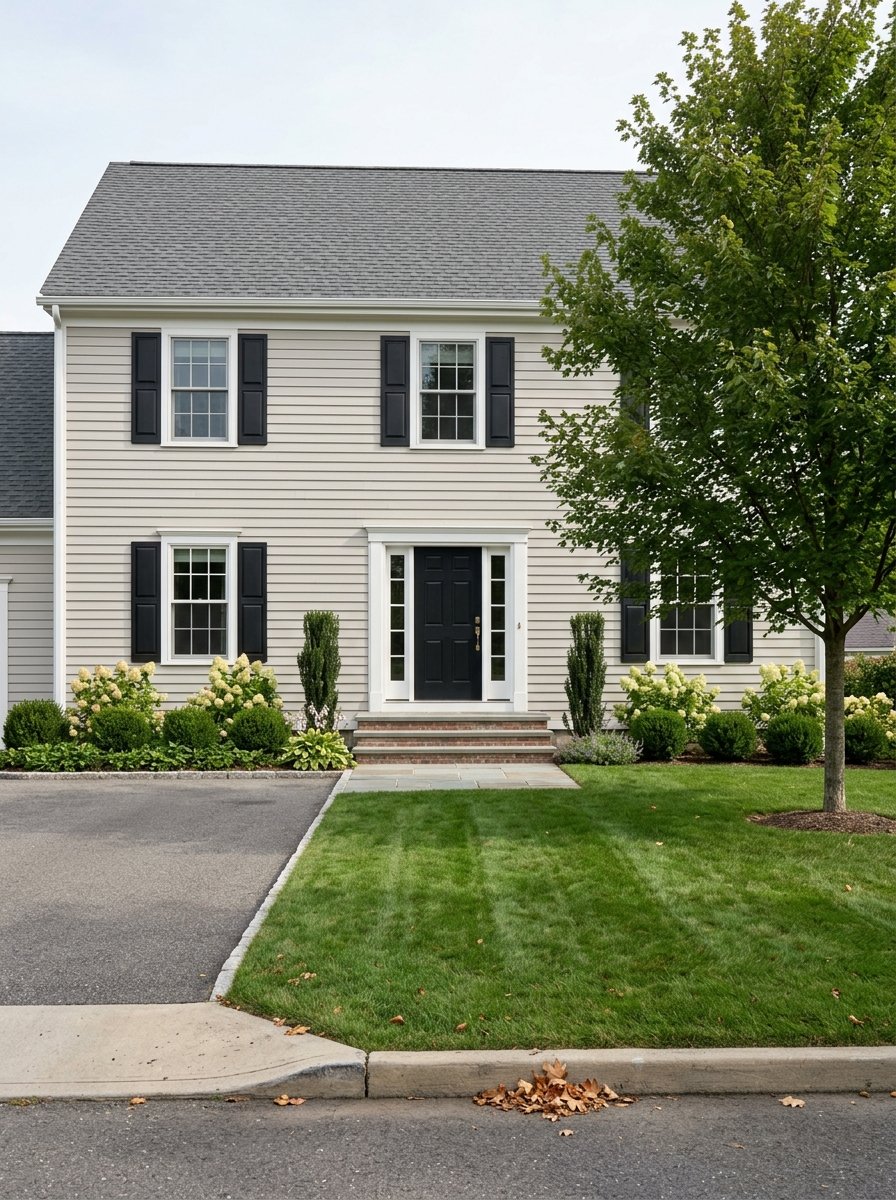
Westfield also has a distinct housing character, with historic Victorian and Colonial homes noted by the Town of Westfield. That means pricing should account for more than square footage alone. Updates, maintenance, layout, and the condition of older systems can all affect how buyers respond.
Prep your home before listing
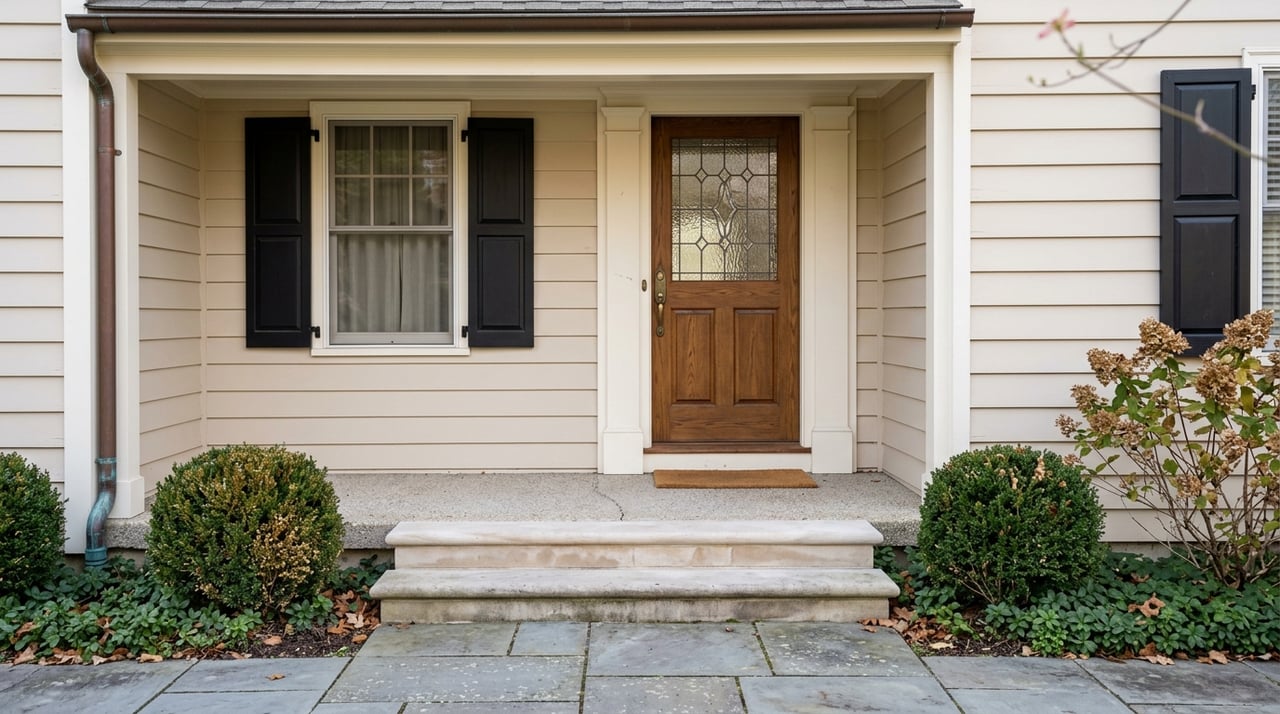
Before your home goes live, focus on presentation and documentation. Buyers in Westfield are often looking for homes with strong curb appeal, clean interiors, and a sense that the property has been well cared for.
A practical pre-listing plan often includes:
- Decluttering rooms and storage spaces
- Deep cleaning the home
- Touching up paint and minor cosmetic repairs
- Addressing visible maintenance issues
- Organizing records for improvements or recent repairs
- Reviewing required disclosures early
If your home has older architectural details, that can absolutely be part of its appeal. It also means buyers may pay closer attention to roof age, windows, systems, drainage, and maintenance history during inspections.
Complete New Jersey disclosures early
One of the smartest things you can do is start your disclosure paperwork early. New Jersey’s updated Seller’s Property Condition Disclosure Statement became required beginning March 20, 2024, and it now includes questions about flood history, flood-hazard areas, and whether the property must carry federal flood insurance.
Getting this done upfront can help you avoid delays once offers start coming in. It also gives you time to gather accurate information and discuss any questions before you are under pressure.
Flood questions matter more now
The updated New Jersey form asks for more detail about flood-related conditions than many sellers expect. If your property has experienced flooding, sits in a flood-hazard area, or requires flood insurance, that information needs to be handled carefully and accurately.
This is especially important because buyers may evaluate not just the home itself, but also future ownership costs and risk factors. Clear disclosures help reduce surprises later in the transaction.
Older homes may trigger lead rules
Westfield is known for historic housing stock, so some local sellers will also need to think about lead-based paint rules. If your home was built before 1978, federal law requires sellers to disclose any known lead-based paint hazards, provide the approved lead hazard pamphlet, and give buyers an opportunity to conduct a lead inspection before they become obligated to buy.
If you complete repair or renovation work before listing, lead-safe practices matter too. The EPA says renovation, repair, and painting in pre-1978 homes must be done by certified firms using lead-safe work practices.
Prepare for offers and attorney review
Once an offer is accepted, many sellers assume the hardest part is over. In New Jersey, that is not always the case. The period right after acceptance can still be active, time-sensitive, and highly negotiable.
A residential contract of sale prepared by a real estate licensee in New Jersey must include an attorney review clause. After delivery of the fully signed contract, the buyer and seller have three business days to consult attorneys, and during that period attorneys may propose revisions or make the contract null and void.
Why speed still matters
During attorney review, terms can change. That means your transaction is not truly settled just because both sides signed the initial contract.
If questions come up about timing, personal property, inspection language, or other terms, fast and clear communication can help keep the deal together. This is one of the moments where organized sellers tend to feel less stress and make better decisions.
Expect inspections after contract
After attorney review ends and the contract becomes binding, inspections usually move quickly. New Jersey’s consumer guidance says an independent home inspection is highly recommended soon after the contract becomes binding, and inspection findings can trigger seller cure deadlines set by the contract.
In practice, this means you should be ready for another round of negotiation after accepting an offer. Buyers may request repairs, credits, or other adjustments based on what inspections uncover.
Common seller mindset shift
It helps to think of the sale as a process, not a single event. The accepted offer is a major milestone, but inspections can still affect your timeline, proceeds, and closing date.
If you already addressed obvious maintenance concerns before listing, you may reduce the chances of bigger surprises later. Even so, it is wise to expect questions and be prepared to respond quickly.
Budget for New Jersey closing costs
One of the biggest seller mistakes is focusing only on sale price and not on net proceeds. In Westfield, that can be especially important because recent market data places many sales at or above the $1 million level.
New Jersey charges a Realty Transfer Fee on the seller for recording the deed unless an exemption applies. The state also imposes a Graduated Percent Fee when the consideration exceeds $1,000,000, and for that supplemental fee, the seller is responsible. The first bracket is 1% of the total consideration between $1,000,000 and $2,000,000.
Why this matters in Westfield
Because Westfield sale prices often land around the $1 million mark, some sellers may owe both the standard transfer fee and the additional over-$1 million fee. That can materially affect your final numbers.
When you plan your sale, it helps to look beyond your target list price and understand your likely closing costs ahead of time. That gives you a clearer picture of what you may actually walk away with.
Nonresident sellers should plan ahead
New Jersey also requires GIT/REP forms to be recorded with the deed. These forms are used to determine whether a nonresident seller must prepay estimated Gross Income Tax, and nonresident sellers generally must make that estimated payment at closing unless they qualify for an assurance.
The state says the minimum prepayment is 2% of the total consideration, even if no gain is recognized. If you are selling a Westfield property but do not live in New Jersey, this is an important part of your closing prep.
Get ready for closing day
Closing day in New Jersey is often a face-to-face meeting involving the buyer, seller, agents, lawyers, a title clerk, and a mortgage representative. The state’s consumer guide recommends reviewing the settlement statement before closing so you understand how funds will be disbursed.
That review matters because closing is where all of the earlier decisions become final numbers. You want to confirm credits, prorations, transfer-related charges, and any remaining balances before you sign.
Final logistics to confirm
As closing approaches, make sure you have a clear checklist. This can help avoid last-minute stress and reduce the chance of delays.
Your final pre-closing checklist may include:
- Reviewing the settlement statement carefully
- Confirming deed-related fees and tax forms
- Providing forwarding information for final documents
- Coordinating move-out timing
- Confirming any agreed repair receipts or credits
- Making sure utility and property-related details are organized
Westfield’s tax collector advises new owners to contact the office for a tax bill after taking ownership, so accurate tax prorations and clean settlement coordination are worth extra attention.
A smoother Westfield sale starts early
Selling your Westfield home is not just about putting a sign in the yard and waiting for offers. It is about pricing with discipline, preparing your property thoughtfully, handling New Jersey disclosures early, staying responsive during attorney review and inspections, and understanding the state-specific costs that affect your net proceeds.
With the right strategy, you can move through the process with more confidence and fewer surprises. If you want local guidance, a clear pricing strategy, and an advocate who will help you protect every step of the sale, connect with Michael Tejada.
FAQs
What is the current home selling market like in Westfield, NJ?
- Recent public data shows Westfield as a competitive, seller-leaning market, with Redfin reporting a median sale price of $1,030,000 and 10 median days on market in March 2026, while Realtor.com reported a median listing price of $1,199,000 and labeled it a seller’s market.
What disclosures do Westfield, NJ home sellers need to complete?
- New Jersey sellers should complete the Seller’s Property Condition Disclosure Statement early, including updated questions about flood history, flood-hazard areas, and flood insurance requirements.
What should sellers of older Westfield, NJ homes know before listing?
- If your home was built before 1978, federal law requires disclosure of known lead-based paint hazards, delivery of the approved lead hazard pamphlet, and an opportunity for the buyer to conduct a lead inspection before becoming obligated to buy.
How does attorney review work when selling a home in Westfield, NJ?
- In New Jersey, a residential contract prepared by a real estate licensee includes an attorney review clause, and both parties have three business days after delivery of the fully signed contract to consult attorneys, who may suggest changes or cancel the contract.
What closing costs should Westfield, NJ sellers expect?
- Sellers should plan for New Jersey’s Realty Transfer Fee, and if the sale price exceeds $1,000,000, the seller may also owe the Graduated Percent Fee, with the first supplemental bracket set at 1% of total consideration between $1,000,000 and $2,000,000.
Do nonresident owners selling a home in Westfield, NJ pay tax at closing?
- In many cases, yes. New Jersey requires GIT/REP forms with the deed, and nonresident sellers generally must prepay estimated Gross Income Tax at closing unless they qualify for an assurance, with a minimum prepayment of 2% of total consideration.