Love the look of gas-lit, tree-lined streets and classic architecture? If you are home shopping in Glen Ridge, you will find that nearly every block offers historic character plus practical questions about maintenance and renovations. You want a home that fits your life today and holds value tomorrow. In this guide, you will learn how Glen Ridge’s most common home styles live, what upkeep to expect, and how the historic-district rules shape your plans. Let’s dive in.
Why Glen Ridge homes stand out
Glen Ridge is a compact, largely residential borough in Essex County with one of the region’s highest concentrations of late 19th and early 20th century homes. Much of the town falls inside the Glen Ridge Historic District, and the Borough’s Historic Preservation Commission (HPC) reviews many exterior changes, from windows and roofs to visible solar panels. The HPC’s guidance and application steps are posted on the Borough’s HPC page.
The town’s housing stock was built mostly between the 1870s and 1940s, which explains the strong presence of Queen Anne, Colonial Revival, Tudor Revival, and early 20th century revivals. The National Register documentation outlines how these waves shaped entire streetscapes and are still visible today in Glen Ridge’s blocks and façades. If you value character-rich architecture and a consistent neighborhood look, this is part of the appeal.
On pricing, Glen Ridge typically sits at the upper end of Essex County’s single-family markets. Exact numbers shift with inventory, but the combination of commuter access, historic charm, and a tight footprint tends to support demand.
Key home styles in Glen Ridge
Glen Ridge’s dominant styles reflect its growth from the late Victorian period through the interwar years. Below, you will find what each style usually offers, plus tips for upkeep and resale.
Colonial Revival (including Dutch Colonial and Georgian)
- Era and prevalence: Popular from roughly 1900 into the 1930s, and a major presence across the Historic District. Many later infill homes followed Colonial Revival forms, as documented in the town’s National Register materials. See the NPS nomination for style context and examples in Glen Ridge’s streetscapes in the National Register documentation.
- What you will notice: Symmetrical façades, central-hall plans, classical door surrounds, and double-hung multi-pane windows. Dutch Colonial variants have gambrel roofs that create useful upper-level space.
- Living experience: Formal living and dining rooms off a center hall, with kitchens originally separate. Full basements and attics often provide conversion potential.
- Upkeep and updates: Original wood windows and plaster are common. Restoring rather than replacing can protect value but may cost more. Many pre-1940 homes benefit from targeted energy retrofits. A DOE-backed energy audit and Home Energy Score guidance can help you plan insulation and air-sealing.
- Buyer fit: Broad appeal with flexible floor plans. Kitchen and bath updates that respect the center-hall flow tend to show well at resale.
Tudor Revival
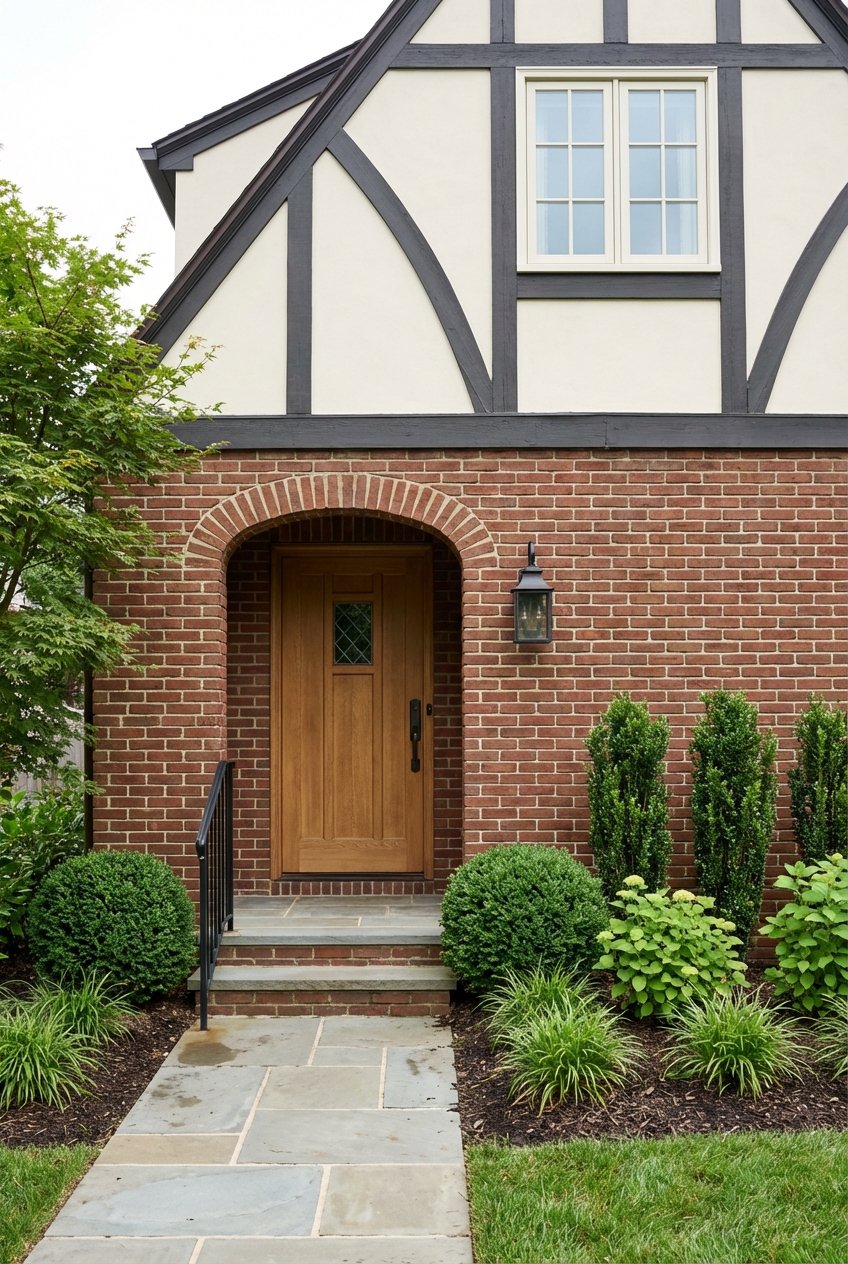
- Era and prevalence: A major wave from the 1910s through the 1930s, especially strong in the World War I era and after.
- What you will notice: Steep, multi-gabled roofs, decorative half-timbering with stucco or masonry, tall chimneys, and leaded or grouped casement windows.
- Living experience: Rooms are often more compartmentalized than modern open plans, which creates intimate, cozy spaces with built-in nooks.
- Upkeep and updates: Pay attention to stucco and half-timber details, chimney and flue health, and window restoration for leaded or casement units. Opening interior walls to create large spaces can be more complex in these homes.
- Buyer fit: Strong curb appeal for those seeking storybook charm, though the buyer pool can be more specific than for classic Colonial forms.
Queen Anne and High-Victorian
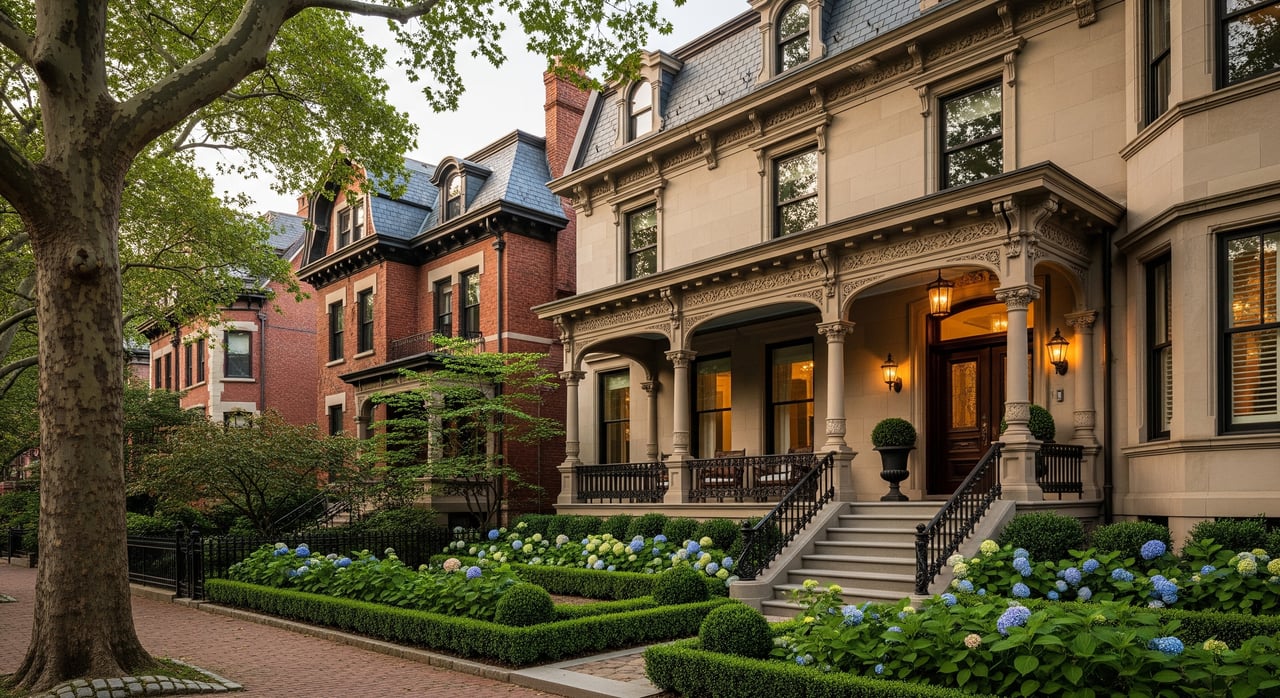
- Era and prevalence: Part of Glen Ridge’s earliest building phase in the late 19th century. The borough includes fine examples with turrets, wrap porches, and ornate trim, as identified in the National Register documentation.
- What you will notice: Asymmetrical massing, towers or turrets, textured wall surfaces like shingles and patterned siding, and detailed millwork. Interiors often feature formal parlors, tall ceilings, and multiple smaller rooms.
- Upkeep and updates: Expect specialized carpentry, cyclical exterior painting, and attention to roof systems. Some roofs are slate, which the Borough considers character-defining. The HPC specifically encourages retaining and repairing slate where feasible. Review repair expectations and material guidance on the Borough’s HPC page.
- Buyer fit: High charm premium for buyers who love historic detail. Budget awareness is key due to more involved exterior maintenance.
Craftsman, Bungalow, Shingle, and Prairie
- Era and prevalence: Present in early 20th century neighborhoods, often from the 1910s through the 1930s. Craftsman and Bungalow homes tend to be smaller, with single or one-and-a-half stories.
- What you will notice: Exposed rafter tails, generous porches, lower roof pitches, and wood shingles or clapboard siding. Interiors often feel warm and relaxed, with built-ins and practical layouts.
- Upkeep and updates: Typically lower-cost upkeep compared to ornate Victorian exteriors, though wood siding and porches still need periodic care. These homes can be great candidates for careful energy upgrades and kitchen refreshes.
Architect-designed one-offs
Glen Ridge also includes rare, architect-designed properties that draw regional attention. An example is a Frank Lloyd Wright house that has been offered in town, which shows how outliers can command intense interest while remaining niche. If you consider a one-off home, be careful with comps and buyer pool assumptions. See coverage of a Glen Ridge Wright home in Architectural Digest.
Inspection focus and operating costs
Historic charm comes with specific due diligence. During inspections and early ownership, pay close attention to these common items in Glen Ridge’s housing stock:
- Electrical systems: Pre-1940 homes may have knob-and-tube wiring, which is ungrounded and considered a safety concern by experts. A full evaluation by an electrician who understands historic homes is wise. Learn basics from the Electrical Safety Foundation International.
- Lead paint and safe renovation: Homes built before 1978 often contain lead-based paint. Federal rules require lead disclosures and certified lead-safe work practices for renovations that disturb painted surfaces. See current enforcement signals and safe-work guidance via the EPA’s lead safety resources.
- Insulation and energy: Many homes from this era have minimal wall or attic insulation and single-pane windows. A blower-door energy audit can help sequence cost-effective improvements like attic insulation, air sealing, and ventilation. Explore audit methods and incentives through energy efficiency resources.
- Plumbing and drainage: Older houses may still have galvanized supply lines or cast-iron drains in parts of the system, even after partial updates. Factor phased replacements into your plan.
- Roofs and chimneys: Complex rooflines with valleys, dormers, or turrets increase labor demands. Slate roofs are long-lived but require specialists and cost more to repair than asphalt. For general cost context, see slate-roof guidance on HomeAdvisor.
Historic-district rules that impact your plans
More than 90 percent of Glen Ridge lies within the Historic District. The HPC reviews street-facing exterior work and other visible changes. A Certificate of Appropriateness (COA) is required before work begins. Typical reviewed items include doors, windows, previously unpainted masonry, roofs, porches, siding, and visible solar panels. You will find process steps, submittal expectations, and timing notes on the HPC page.
Practical takeaways:
- Start early if you plan any visible exterior work. Build the COA timeline into your renovation calendar.
- In-kind replacements may be eligible for expedited review. Vinyl siding and many vinyl window products are not approved in the District.
- Slate roofs are character-defining. The HPC encourages repair or retention where feasible.
- COAs often expire after two years. Keep track of deadlines and request extensions as needed.
Budgeting for common projects
- Rewiring and panel upgrades: Whole-house rewires for typical Glen Ridge single-family homes are commonly five-figure projects, with wide variation by size and access. Review cost ranges and planning tips on HomeAdvisor’s rewiring guide and obtain multiple local quotes.
- Roof work: Asphalt is the lower-cost option. Natural slate is more expensive to replace but offers long service life. Smaller roofs with turrets, dormers, or complex valleys can push labor costs higher. Use a roofer experienced with slate for historic homes, and factor material lead times into bids. See slate background on HomeAdvisor.
- Windows and trim: Restoring original wood windows can maintain value and character. If replacement is on the table, match profiles and materials to satisfy HPC guidance and preserve curb appeal.
- Energy upgrades: A targeted plan that starts with a blower-door test, attic insulation, and air sealing can improve comfort and cost control. Reference DOE resources for audit types and available incentives.
Glen Ridge vs nearby towns
- Montclair: Similar range of historic styles and a larger footprint with more commercial and arts amenities. Many reports place Montclair’s median values at or above Glen Ridge in certain segments. Preservation guidelines exist, but local processes and lot sizes can differ by neighborhood.
- Maplewood and South Orange: Strong inventories of early 20th century homes and robust commuter appeal. Median values are often comparable or slightly lower than Montclair and can be similar to Glen Ridge, depending on the street. One key difference is that Glen Ridge maintains one of the region’s more preservation-focused review environments, which many buyers welcome for long-term neighborhood character.
Buyer checklist for Glen Ridge homes
- Confirm if the property is inside the Historic District and request copies of any prior COAs or exterior permits.
- Hire a home inspector who regularly evaluates historic homes. Ask about wiring type, roof decking under slate, chimney and flue condition, signs of prior movement, and any lead or asbestos indicators.
- Ask the seller for dated receipts and permits for major systems, including electrical upgrades, roof work, boilers or HVAC, and any lead abatement documentation.
- If knob-and-tube is present, obtain an electrician’s written assessment with a plan and estimate for removal or safe decommissioning.
- Request a lead-paint disclosure and consider testing if you plan renovations or if young children will live in the home. Confirm that any contractor uses EPA RRP-certified practices for painted surfaces.
- For slate or complex roofs, get a roofer who has historic-roof experience to evaluate condition and estimate repair timelines.
- Schedule an energy audit to prioritize attic insulation, air sealing, and ventilation. Look into state or utility incentives you may qualify for.
- If you intend to change windows, roofing, siding, porches, or add visible solar, plan for the COA process and timeline before you schedule contractors.
Ready to zero in on a Glen Ridge home that fits your style and budget plan? Our team helps you weigh character, maintenance, and the HPC process so you can buy with confidence. If you want a local advocate who will guide you from inspection through closing, connect with Michael Tejada for a friendly, no-pressure consultation.
FAQs
What home styles are most common in Glen Ridge?
- You will most often see Colonial Revival, Tudor Revival, Queen Anne and other Victorian-era homes, plus select Craftsman, Bungalow, Shingle, and Prairie examples documented in the National Register materials.
How does the Historic District affect renovations in Glen Ridge?
- Most visible exterior changes require a Certificate of Appropriateness reviewed by the Borough’s HPC, so plan applications, materials, and timing before you start work.
What inspection issues should I expect with pre-1940 homes?
- Common items include older electrical like knob-and-tube, potential lead-based paint, varying insulation levels, and roof complexity that may raise repair costs.
Are visible solar panels allowed in the Historic District?
- The HPC reviews visible solar installations case by case, so you should plan design review, product submittals, and an application timeline before contracting.
How much should I budget for rewiring or a slate roof?
- Whole-house rewires are often five-figure projects, while slate repairs cost more per square foot than asphalt and require specialists, so get multiple local quotes.
What makes living in a Tudor different from a Colonial Revival?
- Tudors often have cozy, compartmentalized rooms and leaded casements, while Colonial Revivals usually feature a center-hall plan with a more symmetrical, flexible flow.