Thinking about trading city noise for leafy streets without losing your favorite cafes and arts scene? Montclair might be exactly what you want. You get village-style neighborhoods, strong cultural life, and a practical commute to Manhattan. In this guide, you’ll learn how Montclair feels day to day, what neighborhoods offer, how commuting works, and what to expect for housing. Let’s dive in.
Montclair at a glance
Montclair sits immediately west of Newark and roughly 10 to 15 miles from Midtown Manhattan. It is a suburban township with a ridge of hills, tree-lined streets, and many older homes with distinctive architecture. The community is diverse and civic-minded, with long-time residents, NYC commuters, artists, and students. You can explore demographic snapshots through U.S. Census QuickFacts for Montclair township.
Montclair’s identity is shaped by year-round arts and university life. Montclair State University brings cultural events and student energy to the northern end of town. Local institutions support a steady calendar of exhibits, films, and performances.
Neighborhoods and daily rhythm
Montclair is not a single downtown. It is a collection of village-like business districts tied together by older street grids and residential blocks.
Montclair Center and Walnut Street
This central area blends restaurants, cafes, bookstores, and services with high walkability. Walnut Street often feels like a neighborhood hub with markets and quick eats. Side streets hold a mix of historic homes and small multifamily buildings. Expect busy sidewalks and convenient municipal parking near shops.
Bay Street and downtown
Near Bay Street Station, you’ll find a transit-focused area with dining and nightlife options. It attracts commuters who want a quick walk to the train. Arts venues and film events add evening activity. Street and lot parking are common, and some residential streets use permits near the station.
Upper Montclair
Upper Montclair offers a quieter village center with boutiques, cafes, and a small-business feel. Residential streets feature historic homes, many on tree-lined blocks. Everyday errands can be walkable near the village core. If you live a bit farther out, you may rely more on driving for groceries or school drop-offs.
Watchung Plaza and nearby nodes
Watchung Plaza and smaller commercial pockets give you local services, coffee, and specialty shops. These spots feel neighborhood-oriented and practical for daily errands. Sidewalks connect many streets to the plaza area. Terrain can be hilly, so walk times vary by block.
Near Montclair State University
Montclair Heights and the campus-adjacent area have more rental housing and student-oriented amenities. You’ll find a mix of multifamily buildings and single-family homes. Transit access and campus events shape the weekly rhythm. Proximity to the university can be a plus if you value performances and lectures.
Housing styles and price expectations
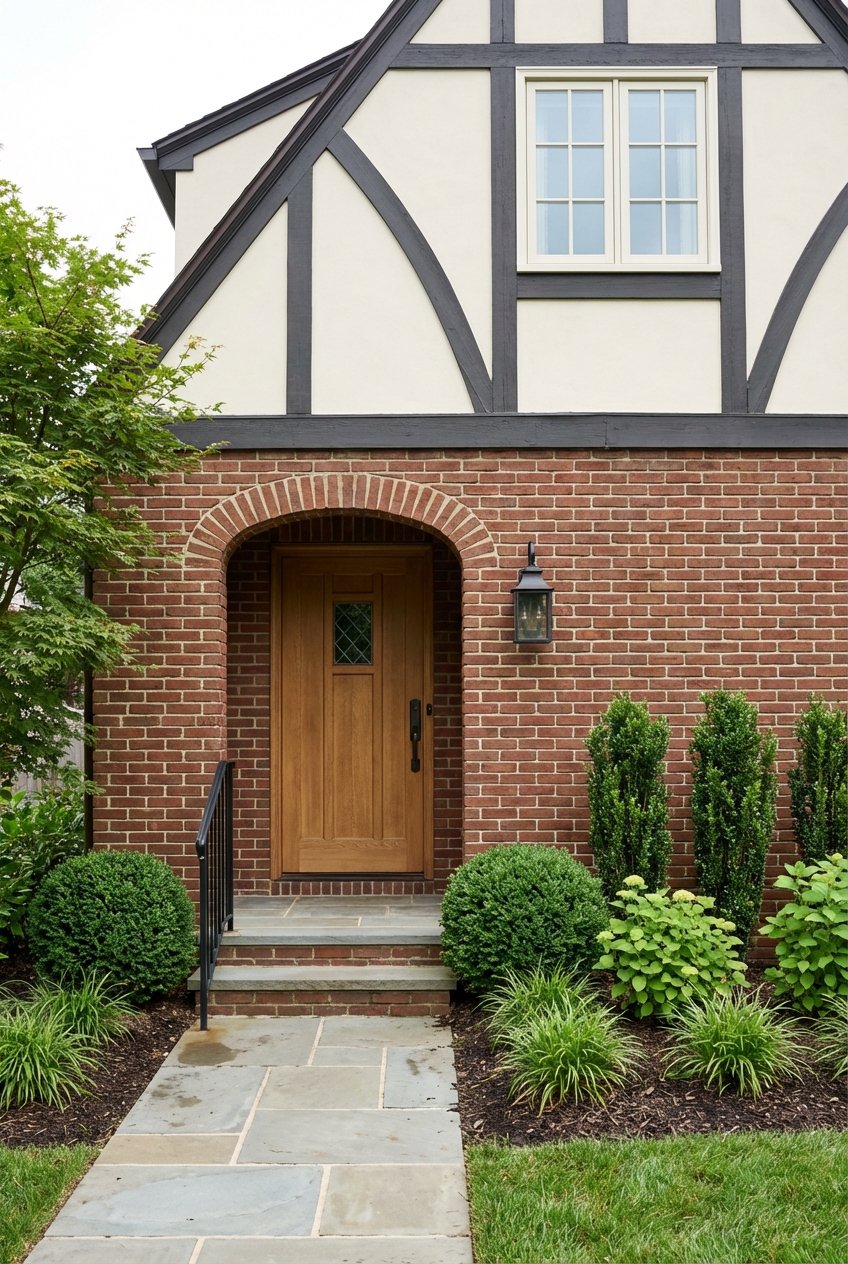
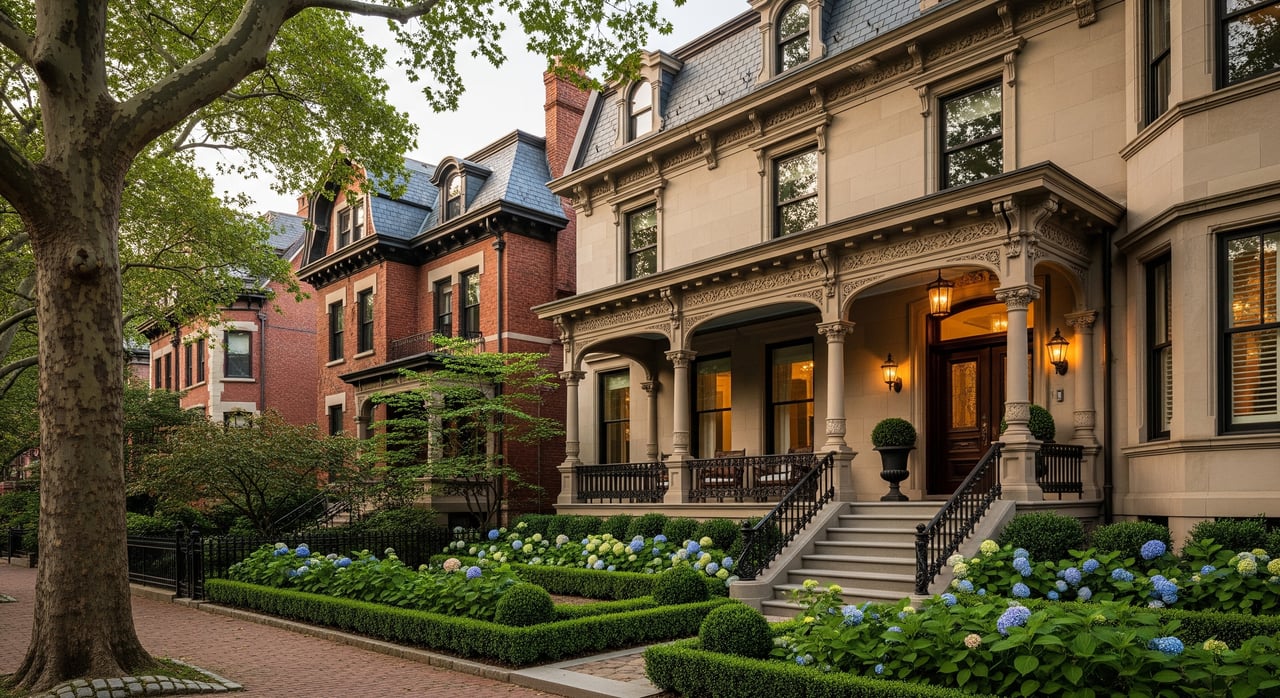
You will see Victorian and Queen Anne homes, Tudor and Colonial Revival styles, Craftsman bungalows, and some mid-century properties. There are also brownstones, duplexes, and newer infill condos or apartment communities. Many homes are older with notable architectural detail.
Typical price bands vary by location and size. Condos and smaller multifamily units can be entry points, with listings often starting in the low to mid six figures and rising into the $400,000 to $600,000 range for desirable units. Single-family homes commonly land in the high six figures to low seven figures. Historic or larger homes, plus premium locations, can exceed $2 million. Always review current comps because inventory shifts week to week.
Montclair is a competitive market due to transit access, amenities, and character homes. Buyers may see multiple offers on well-priced listings near village centers or train stations. Property taxes in Essex County are above the national average, so include municipal and school taxes in your monthly plan.
Here are practical tips if you are home shopping:
- Decide early if walkability to a specific train station matters to you.
- If a historic district or preservation rules apply, review local guidelines before planning renovations.
- Inspect foundations, roofs, and systems carefully in older homes. Budget for modernization if needed.
- If investing, research zoning and any rules for short-term rentals.
Arts, dining and things to do
Arts and culture run deep here. The Montclair Art Museum hosts exhibitions and programs throughout the year. Montclair Film produces screenings, special events, and the annual Montclair Film Festival. University venues also add concerts, lectures, and performances to the calendar.
Dining is broad and flavorful. You will find independent restaurants, bakeries, cafes, wine bars, and a range of cuisines including Italian, Mediterranean, Asian options, and vegetarian or vegan choices. Retail includes local boutiques, bookstores, and specialty food shops. A seasonal farmers market gives you fresh produce and a social Saturday routine.
Green space is a standout. Brookdale Park offers fields, paths, and seasonal programming. The Presby Memorial Iris Gardens bloom seasonally and are a favorite quick outing. Nearby reservations in the Watchung Mountains and Eagle Rock area provide trails and skyline views.
Commuting and getting around
Montclair is served by the NJ Transit Montclair-Boonton Line. Some stations offer direct Midtown service. Commute times to Manhattan commonly run 30 to 50 minutes, depending on your origin station and schedule. Check the NJ Transit Montclair-Boonton Line guide for current timetables and parking details.
Bus routes connect to Port Authority and Newark, though traffic can extend travel times. Many residents drive within North Jersey, with I-280 and local parkways as main corridors. Newark Liberty International Airport is the nearest major airport for business trips and vacations.
Local mobility is a blend. Many residents walk to a station, drive for errands, and use rideshare for nights out. Biking is possible in some areas, but hills and winter weather can limit routes. For parking permits, township rules, and municipal services, the Montclair Township official site is your best reference.
Schools and everyday services
Montclair Public Schools serve the township, and there are private and parochial options. Programs and performance vary by school and change over time, so review up-to-date state report cards when you are evaluating homes. Public safety, public works, and parks and recreation services are organized through township departments. Property taxes vary by property type and assessed value, so factor them into your budget alongside utilities and any condo or co-op fees.
Is Montclair right for you? Quick checklist
- You want a walkable village vibe near restaurants, galleries, and coffee.
- You like character homes and are comfortable maintaining or updating older systems.
- You value a practical rail commute with multiple station choices.
- You want parks, seasonal events, and year-round arts programming.
- You are budgeting for Essex County property taxes as part of total monthly costs.
How we can help
If Montclair is on your shortlist, having a local advocate matters. Our team lives and works in Essex County and understands the nuances of each village center, housing style, and commute pattern. We offer buyer and seller representation, rentals, relocation support, and investment guidance, with bilingual service in Spanish and Portuguese.
Ready to explore neighborhoods, off-market opportunities, and smart pricing strategies? Connect with Michael Tejada for a friendly consultation and a free home valuation. We will tailor a plan to your timeline and budget.
FAQs
How long is the commute from Montclair to Manhattan?
- Many rail commutes run in the 30 to 50 minute range, depending on your nearest NJ Transit station and the schedule you choose.
Which Montclair neighborhoods feel most walkable for dining and nightlife?
- Montclair Center around Walnut Street and Church Street, plus the Bay Street area, offer the most evening activity with restaurants, cafes, and venues.
What home prices should I expect in Montclair?
- Condos and smaller multifamily units often start in the low to mid six figures and can reach the $400,000 to $600,000 range, while many single-family homes run from the high six figures into the low seven figures.
Are there historic districts or renovation rules I should know?
- Yes. Some areas have preservation guidelines. Review local rules before altering exteriors, and plan for permits during your renovation timeline.
Is Montclair a good fit for investors or renters?
- The rental market is active, influenced by commuters and the university. If you invest, research zoning and any short-term rental restrictions before you buy.