Thinking about selling your classic Maplewood colonial or Tudor and wondering what to fix and how to price it? You want to keep the charm that buyers love while avoiding surprises that can slow a sale. This guide gives you a clear plan for smart prep, required disclosures, and pricing that works in today’s market. Let’s dive in.
Maplewood market snapshot 2025–2026
Across public sources, recent figures for Maplewood vary by method and time frame. Zillow’s typical home value was about $913,600 through Jan 31, 2026, reflecting strong demand in town (Zillow Maplewood values). Other providers showed medians from roughly $642,500 in late 2025 to about $1,000,000 in mid 2025. Expect a spread across sources and use a fresh MLS-based CMA for your block and style.
Buyer interest stays solid, helped by NJ Transit’s Midtown Direct service from Maplewood Station and the walkable Maplewood Village. Proximity to the train and the Village can lift price and shorten time to contract (NJ Transit Maplewood Station). Keep in mind that Maplewood’s average property tax bill runs high compared with the state, with local reports near $18,600 in 2024, which influences affordability and offers (local tax snapshot).
Prep roadmap for classic homes
Older Maplewood homes shine when character is visible and systems pass inspection. Use this order of operations to protect your price and attract more conventional buyers.
Prioritize safety and financing items
Fix what can block insurance or a mortgage first. Then move to comfort and cosmetics.
- Electrical: If you have active knob-and-tube or an obsolete panel, talk to a licensed electrician about a plan. Full rewires often fall in the low five figures, with national ranges around $12,000 to $35,000 depending on size and access (knob-and-tube cost guide).
- Plumbing: Old galvanized lines or failing drains can trigger credits or scare off buyers. Partial to full repipes often run from a few thousand up to the mid-teens depending on scope.
- Roof: Leaks are deal-killers. Asphalt replacements commonly range about $5,700 to $16,000 nationally, more for complex roofs.
- HVAC: Older furnaces and AC can raise inspection flags. Many replacements land in the several-thousand to low five-figure range depending on system and home size.
Get 2 to 3 local bids and permit guidance before starting. Prioritize fixes that remove buyer risk and protect appraisal value.
Make character shine
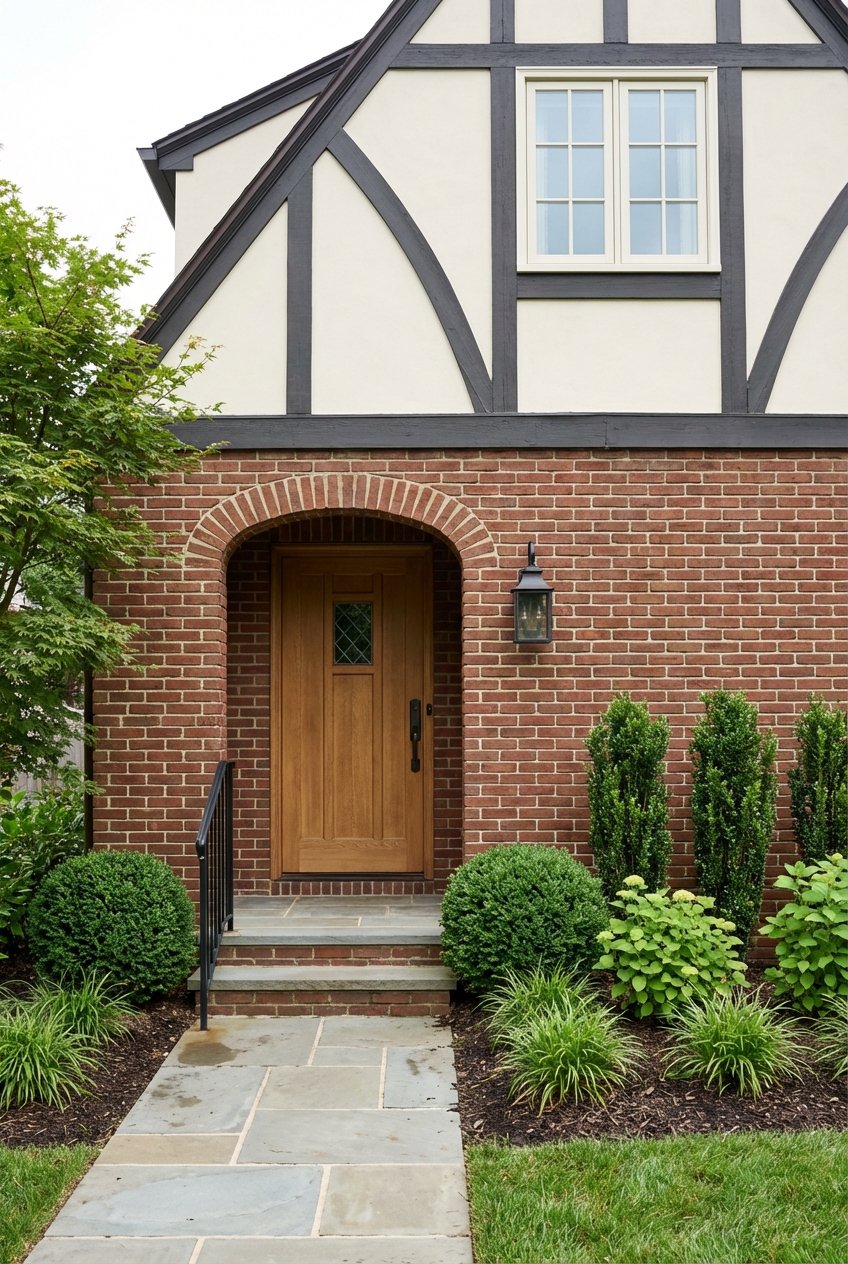
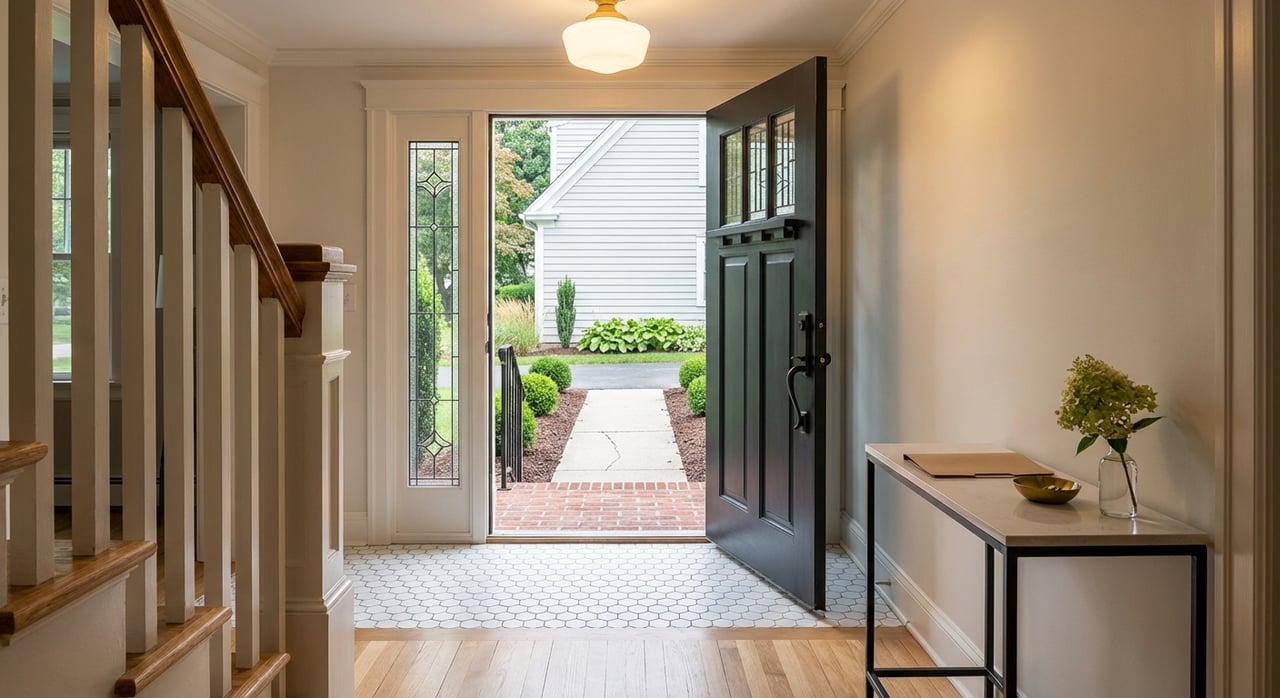
You do not need to strip out historic features to sell well. Keep original wood trim, stair rails, doors, and period tile where practical. If you have original windows, consider repair plus storm windows and air sealing instead of full replacements to preserve the look while improving comfort.
Cosmetic updates buyers love
Small, well-chosen updates can speed up your sale:
- Fresh interior paint in neutral tones.
- Refinished hardwoods or new carpet where needed.
- Updated lighting and hardware.
- A minor kitchen refresh like cabinet refacing, new counters, or an appliance update. National Cost vs. Value studies point to minor kitchen and targeted bath updates as strong ROI moves for sellers (seller ROI overview).
Pre-listing inspections and documents
A pre-listing inspection can help you find safety items and price with confidence. If systems are older, add targeted checks by an electrician or plumber. Gather permits, receipts for major work, prior inspection reports, and any historic documentation. Organized records signal a well-cared-for home and support your price.
Required disclosures in New Jersey
New rules make disclosures clearer and earlier in the process. Plan ahead so your listing is complete from day one.
- Property Condition Disclosure Statement: Under P.L. 2024, c.032, sellers must provide a completed disclosure statement before a buyer is contractually obligated. Your agent must also disclose material facts they should reasonably know. Review the statute with your agent and fill out the form accurately (NJ disclosure law).
- Lead-based paint for pre-1978 homes: Federal law requires a written disclosure and giving buyers the EPA/HUD pamphlet for target housing built before 1978. See the NJ Department of Health overview for details (lead disclosure overview).
- Flood risk and history: New Jersey requires flood history disclosure within the state’s property condition form. If your block has known flood issues, disclose early to avoid surprises (flood disclosure summary).
Pricing a character home
Pricing a pre-war or mid-century Maplewood home is part science, part storytelling. Your agent will build a clear case that connects condition, updates, and location to comparable sales.
How agents set list price
Agents start with a comparative market analysis built on recent solds, active competition, and pending deals. For unique homes, your agent may expand the search radius and look back farther in time, then make line-by-line adjustments for features and condition. Learn how a strong CMA frames the conversation with buyers and appraisers (CMA fundamentals).
Adjust for condition and features
Expect adjustments for both deferred maintenance and preserved character. Examples your agent might include in a CMA:
- “Comp A sold at $X but had a new electrical service and a renovated kitchen. Adjust minus $Y for original kitchen and minus $Z for active knob-and-tube.”
- “Comp B is two blocks closer to the train. Adjust plus $A for location advantage.”
- “Comp C lacks original oak trim and leaded glass. Adjust plus $B for intact period features.”
If a major item makes the home hard to insure or finance, price in the cost to cure or address it before listing so you can target conventional buyers.
Choose a pricing tactic
Your agent will match strategy to demand and inventory:
- Market-value pricing based on the CMA when inventory is steady.
- Slightly under market to fuel multiple offers in a hot pocket.
- Value-range pricing when comps are thin, to reach more search filters and invite discussion.
Plan for appraisal and financing
Appraisers anchor to comparable sales and the cost to cure big defects. If the list price outruns supportable comps, financed buyers may face appraisal gaps. Ask your agent to model two paths: an “as-is” price targeting cash or renovation-loan buyers, and a “market-ready” price after key fixes that support conventional financing.
Permits and historic review
Maplewood has an active Historic Preservation Commission and a permit process that applies to many common pre-listing projects. Before you start work, check permit requirements for roofing, electrical or plumbing upgrades, siding, additions, finishing a basement, and structural changes. Securing final inspections helps avoid closing delays. Use the Township’s Construction Division page for official forms and checklists (Maplewood permits and applications). If your home is designated or in a local historic district, consult the Commission early, especially for exterior changes like windows, porches, and facade elements.
If you are considering a large rehabilitation project, note that federal and state historic tax credits typically apply to certified, income-producing properties rather than owner-occupied single-family homes. Review eligibility before you plan around any credit.
Timelines and budgets
Every house is different, but these planning bands can help you map the work.
- Light prep, 2 to 6 weeks, about $1,000 to $10,000: Declutter, deep clean, touch-up paint, minor repairs, staging, pro photos.
- Targeted improvements, 6 to 12 weeks, about $10,000 to $60,000: Minor kitchen refresh, 1 to 2 bath updates, selective electrical or plumbing repairs, roof work if needed.
- Major systems or full rehab, 3 to 9 months plus, about $20,000 to $150,000 plus: Full rewire, full repipe, whole-house HVAC, foundation or water remediation.
Get multiple local bids and confirm permit timelines with the Township. Weigh each project against buyer impact, appraisal support, and total carrying costs while you prepare to list.
Quick seller checklist
- Complete the NJ Property Condition Disclosure Statement early and gather receipts, permits, and prior reports.
- Fix safety and financing blockers first: electrical, roof leaks, key plumbing issues, HVAC.
- Preserve visible character while improving comfort with smart weatherization.
- Refresh paint, floors, lighting, and do a minor kitchen or bath update if needed.
- Order a pre-listing inspection or targeted system checks to reduce renegotiations.
- Choose a pricing tactic with your agent and prepare comps that explain adjustments.
- Confirm permits are closed out and final inspections are on file before listing.
Ready to map a plan for your home and timeline? Reach out to schedule a walk-through, a data-backed pricing strategy, and a customized prep list that protects your bottom line. Connect with Michael Tejada for a free consultation and home valuation.
FAQs
What repairs add the most value before selling a Maplewood pre-war home?
- Safety and financing items first. Fix active knob-and-tube, roof leaks, and major plumbing issues. Then focus on high-ROI cosmetics like paint, floors, lighting, and a minor kitchen or bath refresh.
Do I need to replace knob-and-tube wiring to sell in Maplewood?
- Not always, but active knob-and-tube can limit insurance and financing. Many sellers either upgrade before listing or price to reflect the cost to cure and target cash or renovation-loan buyers.
How do New Jersey seller disclosure rules affect my sale?
- You must provide the state Property Condition Disclosure Statement before a buyer is contractually obligated, disclose known material facts, give lead disclosures for pre-1978 homes, and answer flood-history questions accurately.
Should I replace original windows before selling?
- Often no. Many sellers keep historic windows, repair as needed, and add storm windows plus air sealing. This preserves character and improves comfort without a full replacement cost.
How do buyers view Maplewood property taxes during offers?
- Taxes are part of the monthly payment picture. Higher taxes can narrow the buyer pool, so condition, location near transit, and strong presentation become even more important to support price.
How should I price if I cannot finish major repairs before listing?
- Ask your agent to model an “as-is” strategy that targets cash or renovation-loan buyers with clear disclosures and credits, and a “post-repair” value if you decide to complete key system fixes first.