Trying to decode Maplewood can feel a little tricky at first. You may hear people mention Maplewood Village, Golf Island, College Hill, or Boyden-Burnett as if they are formal neighborhood lines, when in reality many of these are better understood as residential pockets and historic places. If you are comparing where to live, what kind of home you might find, or which part of town fits your daily routine, this guide will help you make sense of it all. Let’s dive in.
How to Think About Maplewood
Maplewood’s character was shaped largely during the suburban building boom of the 1920s and 1930s. According to township preservation materials, much of the town still looks much as it did in the late 1930s, and many homes and civic buildings date to that era.
That history matters because it explains why Maplewood feels so cohesive. You see compact streets, mature trees, and a repeating mix of revival-era architecture across many parts of town. Instead of sharply divided subdivisions, Maplewood is often best understood as a collection of distinct pockets with their own setting, streetscape, and housing mix.
Central Maplewood at a Glance
Central Maplewood includes Maplewood Village, Memorial Park, and Maplewood Center. For many buyers, this area represents the most recognizable version of Maplewood because it brings together shops, civic spaces, homes, and train access in one compact setting.
The Village Alliance describes Maplewood Village as a walkable half-mile merchants district between surrounding residential neighborhoods and Memorial Park. The township master plan also identifies the Village Center as the town’s social and commercial hub, which helps explain why this part of Maplewood often feels active and connected.
Maplewood Village Features
Maplewood Village is centered on convenience and walkability. The Maplewood Village Historic District was added to the National and New Jersey registers in 2022, following an intensive survey of 276 properties, and includes stretches of Maplewood Avenue, Durand Road, Highland, Inwood, Lenox Places, and Baker Street.
If you want a location where daily errands, local businesses, and the train are part of your routine, this pocket stands out. NJ Transit places Maplewood Station between Dunnell Road and Maplewood Avenue on the Morris & Essex Line and the Gladstone Branch, and the township also runs weekday commuter jitneys on a fixed route during morning and evening commuting hours.
Memorial Park and Maplewood Center
Memorial Park is a major part of the town center identity. The township describes it as about 25 acres, bounded by Valley Street, Baker Street, Dunnell Road, and Oakland Road, with rolling terrain, curving paths, rustic bridges, ball fields, playgrounds, and civic buildings around it.
Maplewood Center sits just northwest of the literal center of town. Maplewood Avenue serves as its main north-south spine, with the middle stretch from Durand Road to Lenox Place functioning as commercial space, while side streets remain residential and slope toward the Watchung ridge.
Golf Island Home Styles
Golf Island is one of Maplewood’s clearest early-20th-century residential pockets. The township describes it as a neighborhood of mid-sized single-family homes arranged along streets such as Salter Place, Burnett Street, Pierson Road, South Mountain Avenue, and Maple Avenue.
This area is especially helpful if you are trying to picture a classic Maplewood housing stock. The dominant styles here are Colonial Revival, Dutch Colonial Revival, Italian Renaissance, and Craftsman, with a smaller number of late Victorian Queen Anne and Colonial Revival houses near the north end of Burnett Street and the west side of Maple Avenue.
What Golf Island Feels Like
Golf Island tends to offer a strong architectural identity. If you are drawn to early suburban single-family homes with recognizable period details, this is one of the easiest parts of Maplewood to understand.
The neighborhood also has an established residential feel tied to its early-20th-century layout. Maplewood Middle School anchors the northeast end, adding another landmark that helps define the area.
Boyden-Burnett and Hilton Explained
Boyden-Burnett is a useful area to understand because it reflects an older chapter of Maplewood’s history. Township preservation materials describe it as the strongest reminder of Maplewood’s pre-suburban past and note that it preserves the last remaining vestiges of Middleville, also known as Hilton.
In practical terms, this means you find a more mixed-age housing stock here. The area blends 19th-century vernacular farmhouses with early-20th-century suburban houses, creating a different look from neighborhoods that developed more uniformly during the 1920s and 1930s.
Streetscape and Setting
This pocket lies southwest of Springfield and Boyden Avenues. Springfield Avenue is described as a busy commercial thoroughfare, while Boyden and Burnett are quieter side streets.
If you want an area where older homes and a mixed architectural timeline are part of the appeal, Boyden-Burnett stands apart. It can be a strong fit for buyers who appreciate variety in the housing stock and access to an active commercial corridor.
Ridgewood Road and College Hill
Ridgewood Road and College Hill are among Maplewood’s most historic and architecturally layered hillside pockets. These areas are especially appealing if you want a setting where the architecture changes from block to block while still feeling rooted in the town’s broader historic character.
The Ridgewood Road survey area follows a colonial-era thoroughfare. Township materials note that houses there face south and are surrounded by 19th- and 20th-century high-style and vernacular homes, with early-20th-century Colonial Revival houses that intentionally echo the area’s older colonial buildings.
College Hill Architecture
College Hill is even more eclectic. The township notes that many homes combine Colonial Revival, Tudor Revival, and American Foursquare forms, which creates a layered streetscape rather than a one-style-only look.
Builder Edward Balch also helped shape parts of College Hill on the slopes of South Watchung Mountain. Preservation materials describe cohesive groups of modest homes that often mix Colonial Revival and Arts and Crafts details, giving this part of Maplewood a distinct rhythm and hillside identity.
Prospect Street, Valley Street, and Roosevelt Park
Prospect Street, Valley Street, and Roosevelt Park offer another side of Maplewood. These areas are especially notable if you are drawn to some of the town’s oldest surviving homes or prefer a more wooded, topographic backdrop.
Prospect Street is a roughly 10-block district between Sommer and Parker Avenues. The township describes it as having an unusually intact collection of late-19th- and early-20th-century eclectic and revival-style homes.
Older Houses and Wooded Slopes
The nearby Valley Street area reaches even further back in time. Township materials identify older houses and historic sites there, including the Hand House, Vaux Hall, Pierson’s Mill, and the Hezekia Dare House, alongside homes from the 1920s.
Roosevelt Park sits on the slopes of Orange Mountain with South Mountain Reservation above it. That geography gives this part of town a more wooded, hillside feel than flatter central sections.
Common Maplewood Home Styles
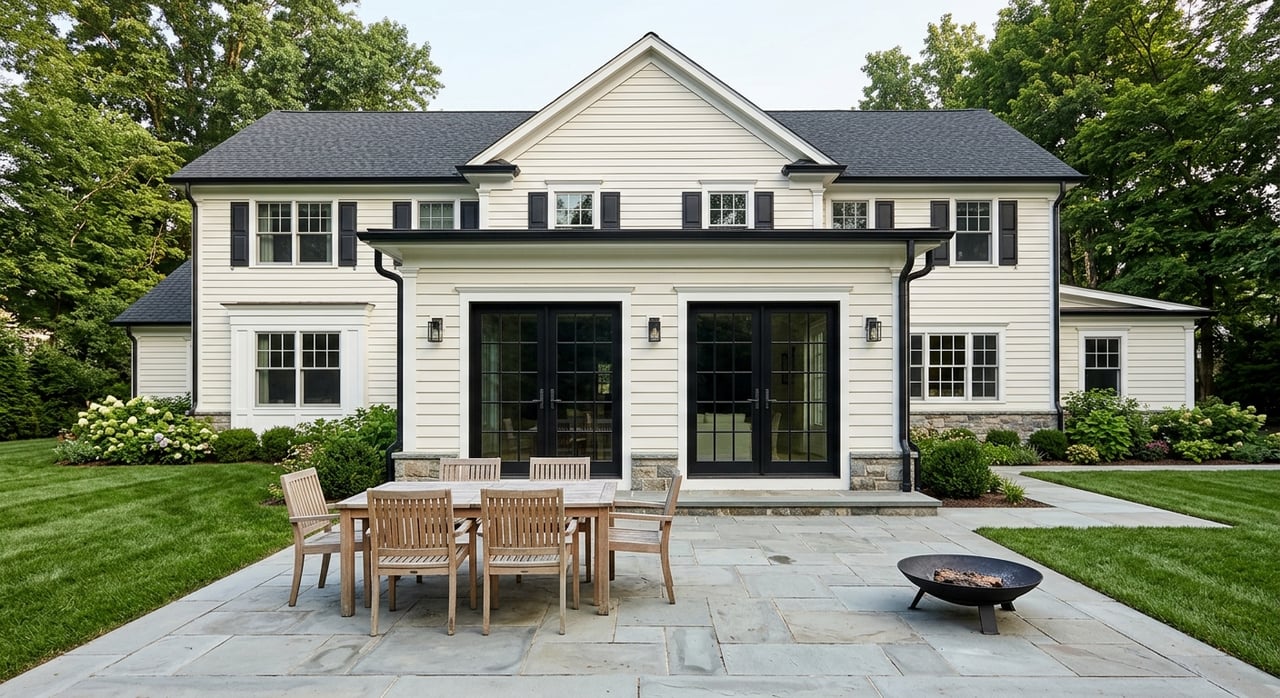
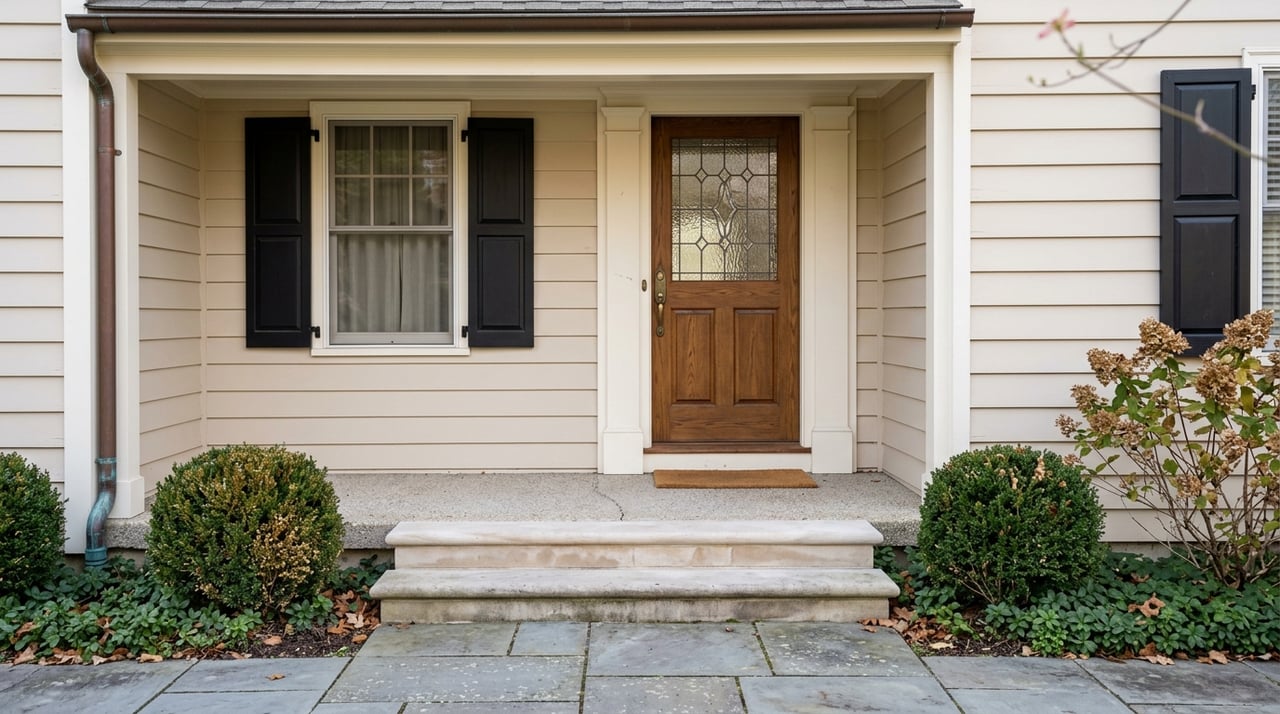
Across Maplewood, several home styles appear again and again. According to township preservation materials, the most common vocabulary includes Colonial Revival, Tudor Revival, American Foursquare, and Craftsman or Bungalow, along with Italian Revival, Spanish Revival, Dutch Colonial Revival, and occasional Queen Anne examples in some pockets.
If you are touring homes, it helps to know the basics of what these styles usually look like. Maplewood streets often mix several of them together, so understanding the language can make your search feel much more manageable.
Quick Style Guide
- Colonial Revival often looks symmetrical and classically detailed.
- Tudor Revival commonly features steep roofs and stone or brick detailing.
- American Foursquare homes are typically boxy, two-story houses with full porches.
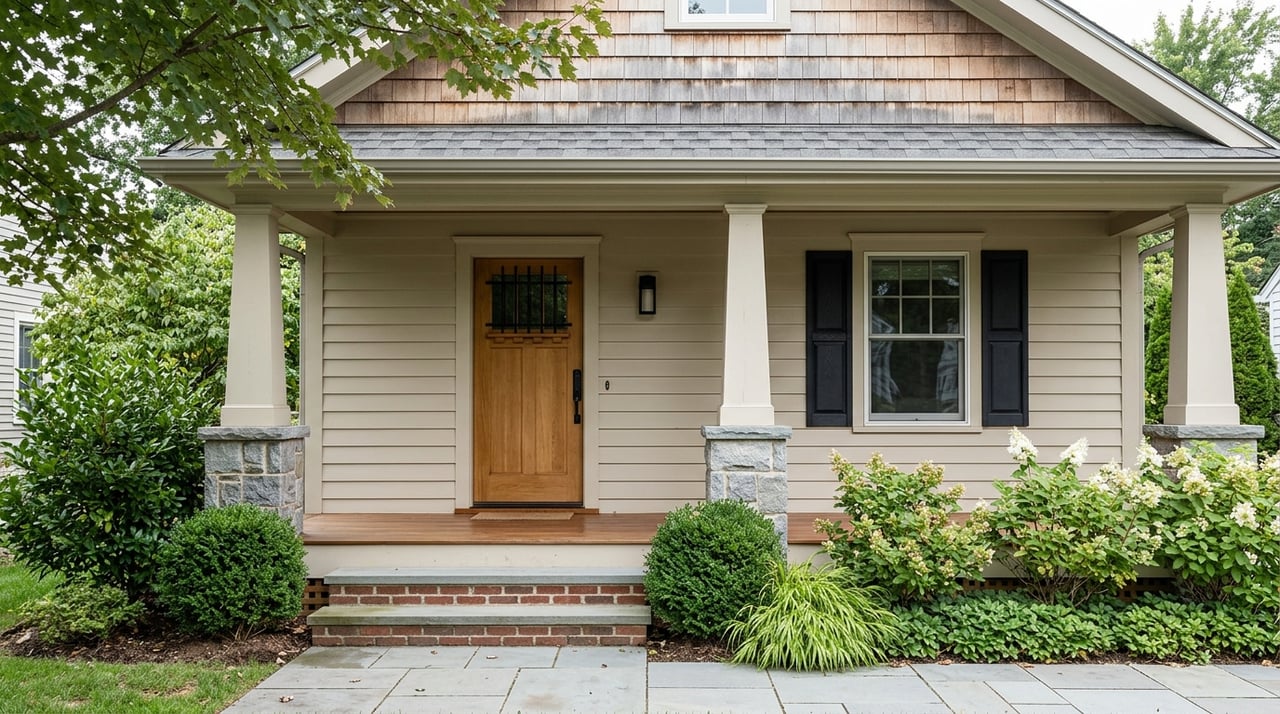
- Craftsman and Bungalow homes often have low rooflines, broad eaves, and a porch-forward design.
- Dutch Colonial Revival usually stands out with its familiar gambrel-style roof shape.
In places like College Hill and the Balch-built neighborhoods on the slopes of South Mountain, these styles can also blend together on the same street. That mixed character is part of what gives Maplewood its visual appeal.
Lifestyle and Daily Rhythm
A big part of choosing the right Maplewood pocket comes down to how you want your day to work. Three features shape the town’s rhythm in a major way: Maplewood Village, Memorial Park, and the rail station.
For buyers who want the easiest access to shops, civic spaces, and train service, Central Maplewood is often the most practical fit. For buyers who want a quieter early-20th-century residential feel, Golf Island may be more appealing.
Green Space and Commuting
South Mountain Reservation adds another major lifestyle factor. This 2,112-acre green space spans Maplewood, Millburn, and West Orange, and includes trails, a dog park, picnic areas, carriage roads, and scenic overlooks.
That means Maplewood is not just about architecture. It is also about how central walkability, neighborhood streets, commuter access, and larger natural spaces all work together.
Which Maplewood Area Fits You Best?
If you are comparing areas, it often helps to think in simple terms. The official sources support a strong lifestyle and housing-style comparison, even without reducing each area to price bands.
Here is a practical way to frame it:
- Central Maplewood may suit you best if you want walkability, shops, civic space, and easier train access.
- Golf Island may be a strong fit if you want early-20th-century single-family homes with a clear revival-style identity.
- Boyden-Burnett / Hilton may appeal if you prefer older, mixed-age housing near a busier commercial corridor.
- Ridgewood Road / College Hill may fit if you want layered historic architecture and a hillside setting.
- Prospect Street / Valley Street / Roosevelt Park may be the right match if you are drawn to older surviving homes and a more wooded backdrop.
The best choice usually comes down to your routine, your architectural preferences, and how you want the neighborhood to feel when you step outside your front door.
If you are thinking about buying or selling in Maplewood, having a local guide can make the neighborhood search much clearer. The team at Michael Tejada brings Essex County insight, a client-first approach, and the kind of practical guidance that helps you move forward with confidence.
FAQs
What are the main neighborhood areas in Maplewood, NJ?
- Maplewood is often best understood through residential pockets and historic areas such as Maplewood Village, Memorial Park, Maplewood Center, Golf Island, Boyden-Burnett, Ridgewood Road, College Hill, Prospect Street, Valley Street, and Roosevelt Park.
What home styles are common in Maplewood, NJ?
- Common Maplewood home styles include Colonial Revival, Tudor Revival, American Foursquare, Craftsman, Bungalow, Dutch Colonial Revival, Italian Revival, Spanish Revival, and occasional Queen Anne homes.
What is Maplewood Village known for in Maplewood, NJ?
- Maplewood Village is known as the town’s walkable core and social-commercial hub, with a half-mile merchants district, nearby residential streets, Memorial Park access, and convenient access to Maplewood Station.
What makes Golf Island different in Maplewood, NJ?
- Golf Island stands out as an early-20th-century residential pocket with mid-sized single-family homes and a strong concentration of Colonial Revival, Dutch Colonial Revival, Italian Renaissance, and Craftsman architecture.
Which Maplewood, NJ areas have the oldest homes?
- Prospect Street and Valley Street are among the areas most associated with older surviving homes, while Boyden-Burnett also reflects Maplewood’s pre-suburban history through its mix of 19th-century and early-20th-century housing.
Which Maplewood, NJ area is best for train access and walkability?
- Central Maplewood, especially around Maplewood Village, Memorial Park, and Maplewood Center, is the strongest fit for buyers focused on walkability, civic space, shops, and access to Maplewood Station.